

Why These Two Numbers Matter
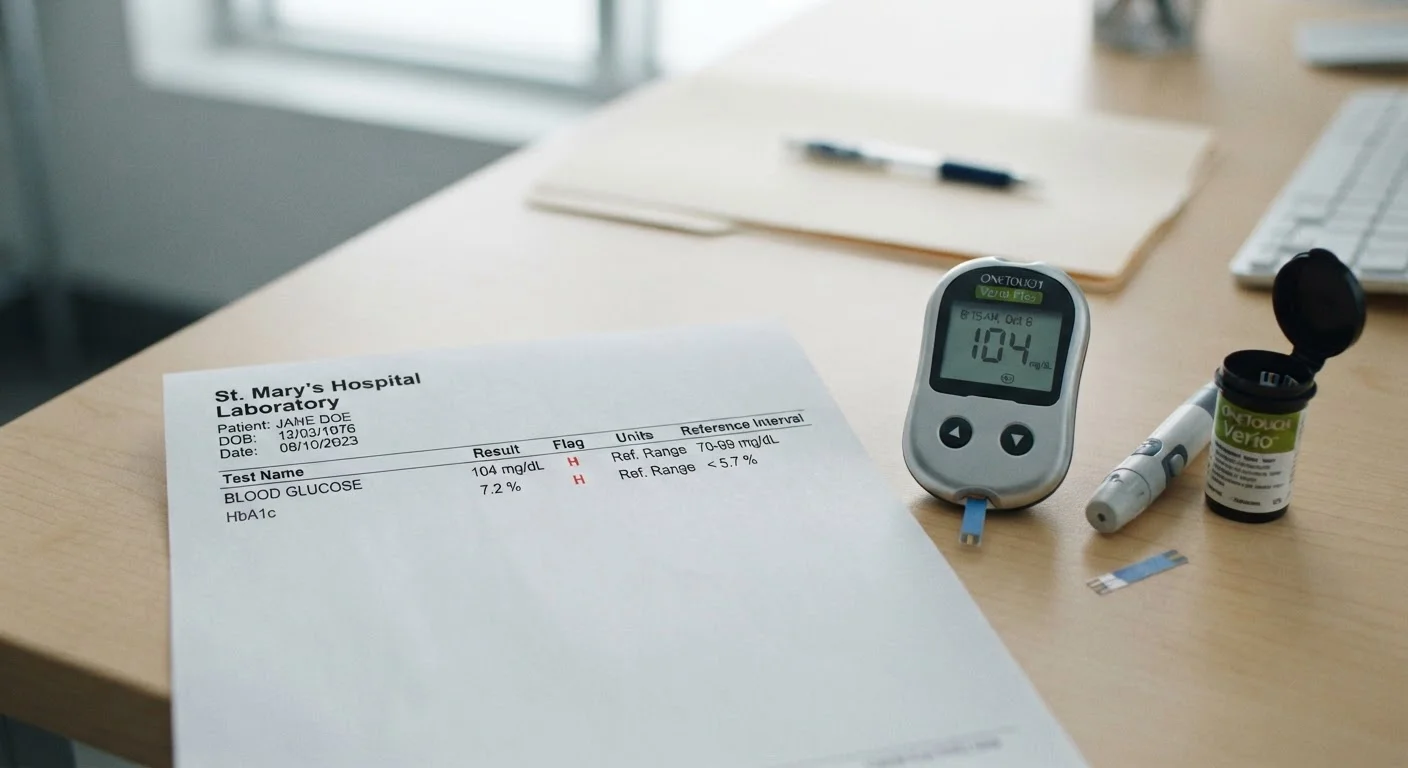
When a healthcare provider screens for diabetes or prediabetes, two lab values appear most often: fasting plasma glucose (FPG) and hemoglobin A1c (HbA1c). Each measures blood sugar in a fundamentally different way, and together they give clinicians a more complete picture of how the body is managing glucose.
Fasting glucose captures a single moment — your blood sugar level after at least eight hours without eating. HbA1c, by contrast, reflects an average of blood sugar levels over the preceding two to three months. Understanding what each test measures, and what the numbers actually mean, helps you engage more meaningfully with your care team and take appropriate action. For a broader look at how high blood sugar affects the body over time, see how insulin resistance develops.
| Normal fasting glucose | Below 100 mg/dL (American Diabetes Association Standards of Care) |
| Prediabetes fasting glucose range | 100–125 mg/dL (American Diabetes Association Standards of Care) |
| Diabetes fasting glucose threshold | 126 mg/dL or higher (confirmed) (American Diabetes Association Standards of Care) |
| Normal HbA1c | Below 5.7% (American Diabetes Association Standards of Care) |
| Prediabetes HbA1c range | 5.7%–6.4% (American Diabetes Association Standards of Care) |
| Diabetes HbA1c threshold | 6.5% or higher (confirmed) (American Diabetes Association Standards of Care) |
| HbA1c look-back window | Approximately 2–3 months (Based on average red blood cell lifespan) |
| Common HbA1c target (diagnosed diabetes) | Below 7% (individualized) (American Diabetes Association; goals vary by patient) |
Fasting Glucose: Reading the Ranges
Fasting plasma glucose is measured in milligrams per deciliter (mg/dL) in the United States. The American Diabetes Association (ADA) defines the following clinical categories:
- Normal: Below 100 mg/dL
- Prediabetes (impaired fasting glucose): 100–125 mg/dL
- Diabetes: 126 mg/dL or higher on two separate tests
A single elevated result is not typically used alone to diagnose diabetes — confirmation with a repeat test or a second type of test (such as HbA1c) is standard practice. Many factors can temporarily raise fasting glucose, including illness, certain medications, and poor sleep. If your fasting result falls in the prediabetes range, what a prediabetes diagnosis actually means is worth reading before your next appointment.
Fasting Plasma Glucose (FPG)
A blood sugar measurement taken after a minimum eight-hour fast. It reflects the baseline level of glucose circulating in the bloodstream without the influence of recent food intake.
HbA1c (Hemoglobin A1c)
A lab test that measures the percentage of hemoglobin with glucose attached, reflecting average blood sugar levels over approximately two to three months.
Prediabetes
A metabolic state in which blood sugar levels are higher than normal but not yet in the diabetes range. It indicates increased risk for developing type 2 diabetes.
Impaired Fasting Glucose
A specific term for fasting glucose values between 100 and 125 mg/dL — one of two ways prediabetes may be classified, alongside impaired glucose tolerance.
mg/dL
Milligrams per deciliter — the unit used in the United States to express the concentration of glucose in the blood.
HbA1c: The Long-View Metric
HbA1c — also written A1c — measures the percentage of hemoglobin proteins in red blood cells that have glucose attached to them. Because red blood cells live roughly 90 days, the result reflects average blood sugar across that window rather than any single moment.
Standard clinical thresholds used by the ADA are:
- Normal: Below 5.7%
- Prediabetes: 5.7%–6.4%
- Diabetes: 6.5% or higher on two separate tests
For people already diagnosed with diabetes, a target HbA1c below 7% is commonly recommended, though individualized goals may differ based on age, other health conditions, and risk of low blood sugar. Always discuss your personal target with your provider.
38 million
Americans estimated to have diabetes
According to the Centers for Disease Control and Prevention (CDC) National Diabetes Statistics Report.
1 in 5
People with diabetes unaware of their diagnosis
CDC estimates suggest a significant share of diabetes cases remain undiagnosed, underscoring the value of routine screening.
96 million
U.S. adults estimated to have prediabetes
According to CDC data, the majority of adults with prediabetes are unaware of the condition.
HbA1c has some important limitations. It can read falsely low in people with certain anemias or hemoglobin variants, and falsely high in those with iron deficiency. Your provider will factor in these possibilities when interpreting results.
This article is for general informational purposes only and does not constitute medical advice. Always consult a qualified healthcare professional for personal health decisions.
Putting the Numbers in Context
Lab values don't exist in isolation. A result near the upper edge of normal in someone with a family history of type 2 diabetes, excess abdominal weight, or a sedentary lifestyle carries different clinical weight than the same number in someone without those factors. Your provider looks at the full picture — not just the printout.
Diet patterns also influence both short- and long-term glucose readings. Understanding how carbohydrates are metabolized can help; what the glycemic index really measures offers useful context, though it is only one tool among many. Similarly, reading a nutrition label accurately can help you make more informed everyday food choices.
For comparison, understanding other routine numbers — such as blood pressure readings — follows a similar logic: ranges, thresholds, and clinical context all matter together.
When to Ask for a Repeat Test
A single out-of-range result doesn't automatically confirm a diagnosis. Most clinical guidelines recommend confirming an abnormal fasting glucose or HbA1c with a second test on a different day, unless the result is unambiguously high or accompanied by clear symptoms. If your results surprised you, ask your provider about confirmation testing and what follow-up is appropriate for your situation.
The content on this site is for informational purposes only and is not a substitute for professional advice. Always consult a qualified professional for guidance specific to your situation.