

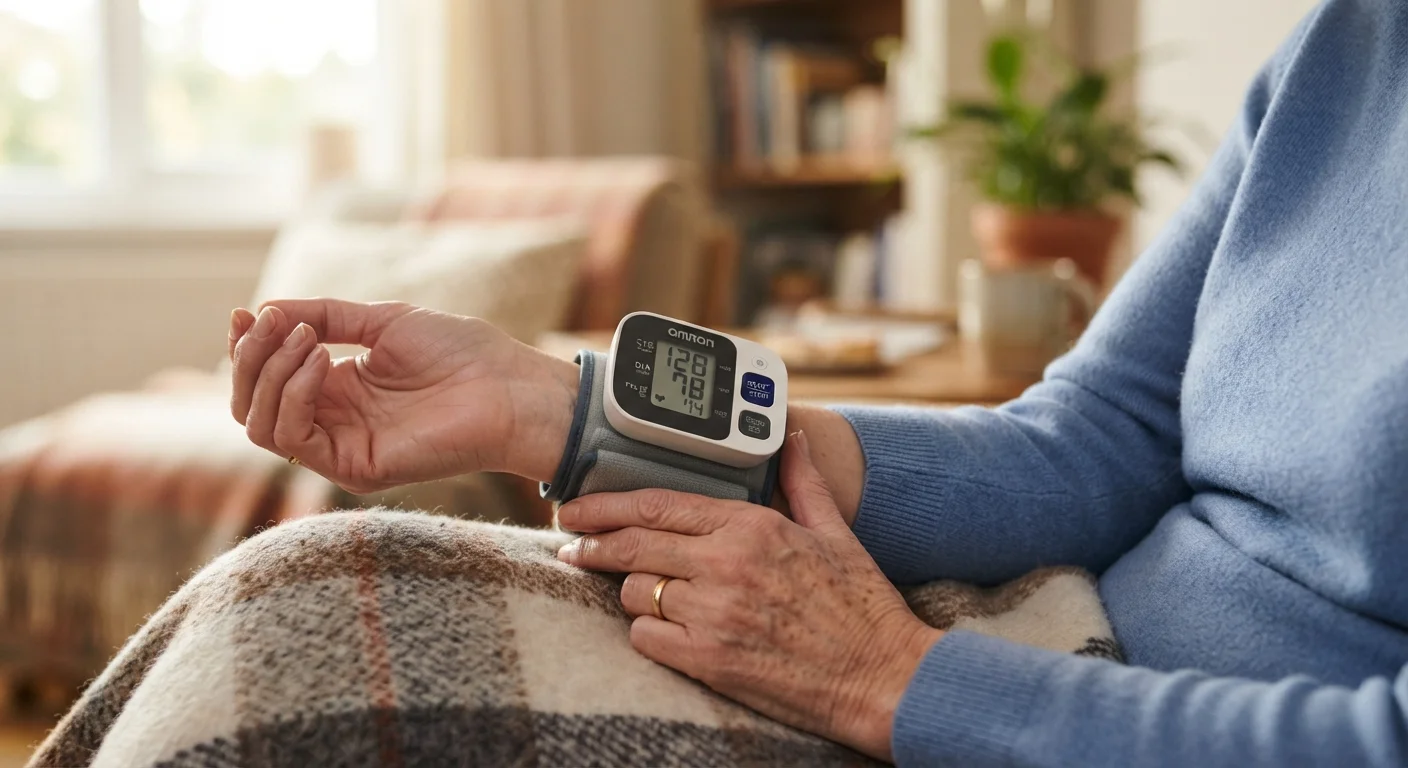
What the Two Numbers Actually Mean
A blood pressure reading is always expressed as two numbers — for example, 128/82 mmHg. Both numbers carry distinct clinical meaning, and neither can be ignored in isolation.
| Normal blood pressure | Less than 120/80 mmHg (American Heart Association / American College of Cardiology, 2017 Guidelines) |
| Elevated blood pressure | 120–129 systolic and less than 80 diastolic (AHA/ACC Classification) |
| Stage 1 hypertension | 130–139 systolic or 80–89 diastolic (AHA/ACC Classification) |
| Stage 2 hypertension | 140/90 mmHg or higher (AHA/ACC Classification) |
| Hypertensive crisis threshold | Higher than 180/120 mmHg (AHA/ACC — seek immediate medical evaluation) |
| Prevalence in adults 65+ | Approximately 70% (CDC National Center for Health Statistics) |
The top number (systolic pressure) measures the force your heart exerts against artery walls each time it beats. The bottom number (diastolic pressure) measures that same force between beats, when the heart is at rest. For most of adulthood, both values matter equally. However, in adults over 60, research consistently shows that elevated systolic pressure — even when diastolic is normal — is a strong, independent predictor of cardiovascular events such as stroke and heart failure. This pattern, called isolated systolic hypertension, becomes increasingly common with age as arteries gradually stiffen.
For a broader view of how cardiovascular risk evolves through the decades, see our guide to cardiovascular risk across the lifespan.
Blood Pressure Categories Explained
The American Heart Association and American College of Cardiology classify blood pressure into the following stages. These categories apply to adults who are not acutely ill and are not currently taking antihypertensive medication, unless otherwise noted by their clinician.
Systolic pressure
The upper number in a blood pressure reading. It measures the force of blood against artery walls when the heart contracts and pumps blood out. A reading at or above 130 mmHg is generally considered elevated.
Diastolic pressure
The lower number in a blood pressure reading. It reflects the pressure in the arteries when the heart rests between beats. Consistently elevated diastolic readings (80 mmHg or above) contribute to hypertension diagnosis.
Isolated systolic hypertension
A form of high blood pressure in which only the systolic number is elevated while diastolic remains normal. It is the most common form of hypertension in adults over 60 and is linked to arterial stiffening with age.
Hypertensive crisis
A severe spike in blood pressure — typically above 180/120 mmHg — that requires prompt medical evaluation. Symptoms such as chest pain, sudden severe headache, or vision changes alongside very high readings warrant emergency care.
White coat hypertension
A phenomenon in which a person's blood pressure reads higher in a clinical setting than at home, likely due to anxiety or stress. It can lead to misdiagnosis if not accounted for through home monitoring or ambulatory recording.
Orthostatic hypotension
A drop in blood pressure that occurs when standing up quickly, common in older adults. It can cause dizziness or fainting and is an important consideration when adjusting blood pressure medications in seniors.
It is worth noting that a single elevated reading does not confirm hypertension. Clinicians typically require elevated readings on two or more separate occasions before making a diagnosis, as stress, caffeine, and even the act of being measured (sometimes called white coat hypertension) can temporarily raise numbers.
One Reading Is Rarely the Full Picture
Blood pressure fluctuates naturally throughout the day — it tends to be lower in the morning, higher during activity or stress, and affected by recent food, caffeine, and even posture. Clinicians typically rely on an average of multiple readings taken across different visits before confirming a diagnosis or adjusting treatment. Home monitoring logs are a valuable tool when shared consistently with your care team.
Why Blood Pressure Management Looks Different in Older Adults
Treating high blood pressure in seniors involves more nuance than simply lowering numbers to a target. Older adults — particularly those over 75 or those with multiple chronic conditions — may face competing risks that make aggressive blood pressure reduction potentially harmful.
~70%
Older adults with hypertension
According to CDC data, roughly 70% of U.S. adults aged 65 and older have high blood pressure.
50%
Hypertensive adults with uncontrolled BP
The CDC estimates that about half of all adults with hypertension do not have their blood pressure adequately controlled.
1 in 3
Falls linked to antihypertensives in seniors
Research published in JAMA Internal Medicine found that antihypertensive medications were associated with serious fall injuries in older adults, underscoring the need for individualized dosing.
For instance, very low diastolic pressure (below 60–65 mmHg) in older patients has been associated with increased risk of falls, kidney injury, and in some studies, adverse cardiac events. This is why individualized treatment plans, rather than population-wide targets, are central to geriatric cardiovascular care. If you or a family member are navigating multiple chronic conditions alongside blood pressure management, our article on how health needs shift from 60 to 80+ provides useful context.
Home monitoring is widely recommended as a complement to clinical readings, but technique matters. Always rest quietly for five minutes before measuring, use a properly sized cuff placed at heart level, and record readings at the same time each day. Share a log of readings with your healthcare provider rather than reacting to any single measurement.
Blood pressure is just one of several numbers older adults benefit from understanding. For a parallel look at another critical set of lab values, see our plain-language guide to blood sugar numbers.
This article is for general informational and educational purposes only and does not constitute medical advice. Blood pressure targets and treatment decisions vary based on individual health history. Always consult a qualified healthcare provider for guidance specific to your situation.
The content on this site is for informational purposes only and is not a substitute for professional advice. Always consult a qualified professional for guidance specific to your situation.