How Bone Density Shapes Fracture Vulnerability
Bone is living tissue that undergoes continuous remodeling — old bone is absorbed and new bone is formed in a process that keeps the skeleton strong and functional throughout life. Peak bone mass is typically reached in early adulthood, and from midlife onward, most people experience a gradual net loss of bone mineral density (BMD).
When BMD falls below a clinically significant threshold, the condition is classified as osteoporosis — from the Greek for 'porous bone.' Osteoporotic bone retains its outward shape but has a weakened internal lattice structure, making it substantially less able to absorb and distribute the forces generated by everyday movement or an unexpected fall.
This structural compromise is why fractures in people with osteoporosis can occur from impacts that would cause no injury in a person with healthy bone density. A minor stumble, a sudden twist, or even a forceful sneeze can be sufficient to fracture a vertebra in someone with severely reduced BMD.
For women, the sharp decline in estrogen during menopause accelerates bone loss dramatically. The relationship between estrogen and bone density is a central factor in why postmenopausal women carry a disproportionately high fracture risk. Osteoporosis is not, however, exclusive to women — it is also a significant and underrecognized concern for older men. Male osteoporosis often goes undetected until a fracture occurs.
~1 in 2
Women over 50 who will have an osteoporotic fracture
According to the National Osteoporosis Foundation, approximately half of women and up to one in four men aged 50 and older will sustain an osteoporosis-related fracture in their remaining lifetime.
3 million+
Osteoporotic fractures estimated annually in the U.S.
The U.S. Bone and Joint Initiative estimates that osteoporosis causes more than 2–3 million fractures per year in the United States, generating substantial healthcare costs and disability.
~30%
Older adults who fall at least once per year
The CDC reports that roughly one in three adults aged 65 and older falls each year, making falls the leading cause of both fatal and non-fatal injuries in this age group.
The Fall Mechanics: What Makes Older Adults More Vulnerable
Fractures in older adults require two conditions to align: bone that is sufficiently fragile, and a mechanical force sufficient to exceed that bone's load capacity. In practical terms, this usually means a fall. Understanding why older adults fall more frequently — and why the consequences are more severe — requires examining several overlapping physiological changes.
Muscle Strength and Reaction Time
Sarcopenia, the age-related loss of muscle mass and strength, reduces the ability to generate the rapid corrective movements needed to recover balance during a stumble. Slower neuromuscular reaction times compound this — by the time the body begins to respond to an off-balance event, the window to self-correct has often closed.
Balance and Postural Control
Stable balance depends on continuous input from the visual system, the vestibular system in the inner ear, and sensory receptors in the feet and joints. Age-related changes in all three systems can impair postural control, particularly on uneven surfaces, in low light, or when attention is divided — for example, carrying an item while walking.
Medication and Polypharmacy Effects
Many medications commonly prescribed to older adults — including certain blood pressure drugs, sedatives, antidepressants, and diuretics — have side effects that include dizziness, orthostatic hypotension (a drop in blood pressure upon standing), or sedation. Polypharmacy, taking multiple medications simultaneously, amplifies these risks considerably.
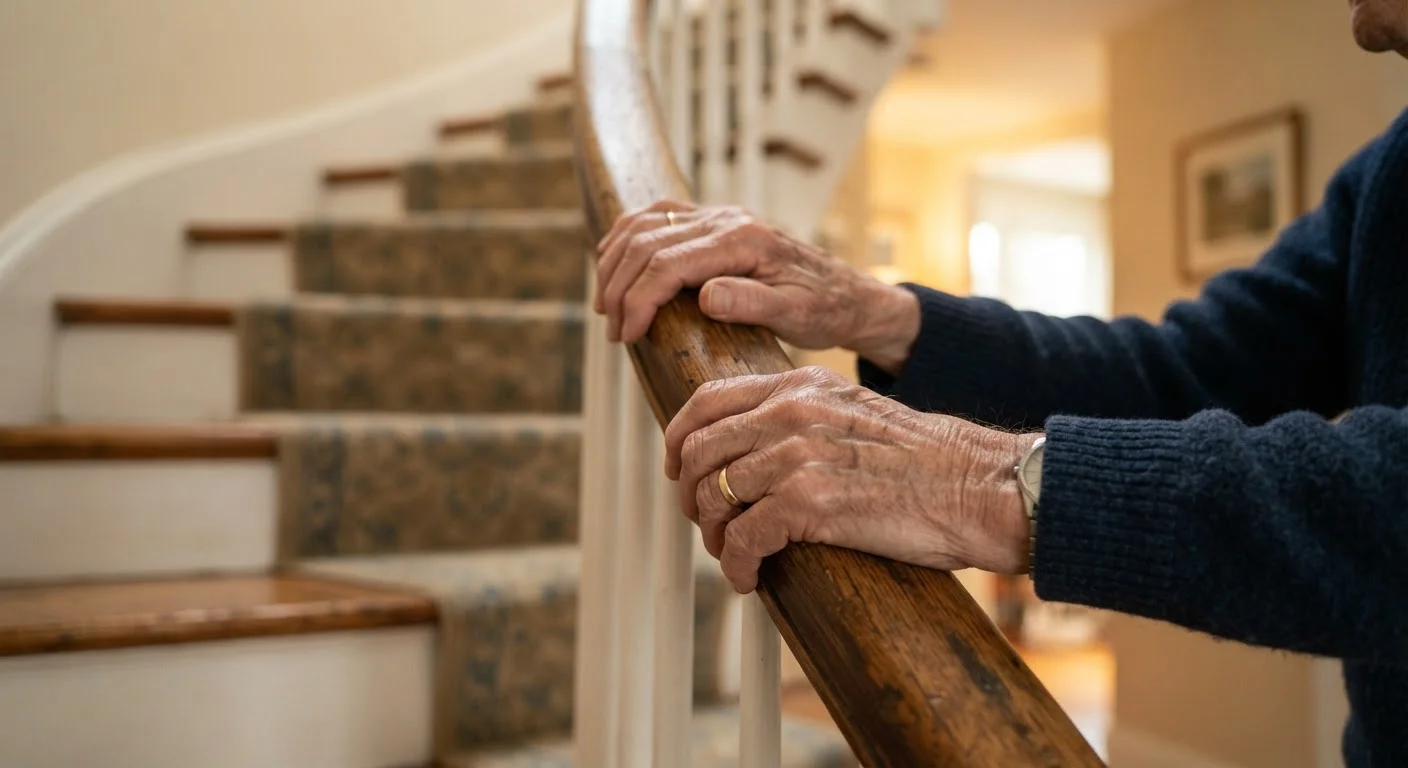
Environmental hazards at home are another major contributor: loose rugs, poor lighting, and cluttered pathways account for a substantial proportion of domestic falls.
Vitamin D and Calcium: Important but Not Standalone Solutions
Adequate vitamin D and calcium are nutritional prerequisites for bone health, and deficiency in either can accelerate bone loss. However, supplementation decisions should be made in consultation with a healthcare provider — research on optimal doses and the balance of benefits and risks (particularly for calcium supplements and cardiovascular health) continues to evolve. These nutrients support bone health as part of a broader strategy, not as replacements for clinical management.
When Falls and Fragile Bones Intersect: The Fracture Cascade
The most clinically significant outcome of this dual vulnerability is a fracture — and not all fractures carry equal consequences. Hip fractures are particularly serious: research consistently shows elevated rates of functional decline, loss of independent living, and increased mortality in the year following a hip fracture in adults over 65.
Vertebral compression fractures, which may occur with or without a fall, are the most common osteoporotic fracture overall. They can cause chronic back pain, height loss, and a progressive forward curvature of the spine (kyphosis) that itself impairs balance and increases future fall risk — creating a feedback loop.
A first fracture is also a strong predictor of subsequent fractures. This 'fracture cascade' occurs because initial fractures may lead to reduced activity, further muscle loss, and altered movement patterns that collectively increase vulnerability to additional falls and breaks.
“A fracture in an older adult should be treated as a sentinel event — a signal that warrants immediate evaluation of bone health, fall risk, and the full clinical picture, not just treatment of the broken bone itself.”
— National Osteoporosis Foundation, U.S.-based nonprofit dedicated to bone health education and fracture prevention policy
It is important to distinguish osteoporosis from related but distinct conditions. Arthritis and osteoporosis affect the musculoskeletal system differently and require different management approaches — understanding which condition is present (or whether both are) is essential to appropriate care.
Evidence-Based Strategies to Address the Chain
Reducing fracture risk in older adults requires acting on multiple links in the chain simultaneously. No single intervention eliminates risk, but a combination of approaches — guided by a healthcare provider — can meaningfully reduce the probability of both falls and fractures.
Movement and Exercise
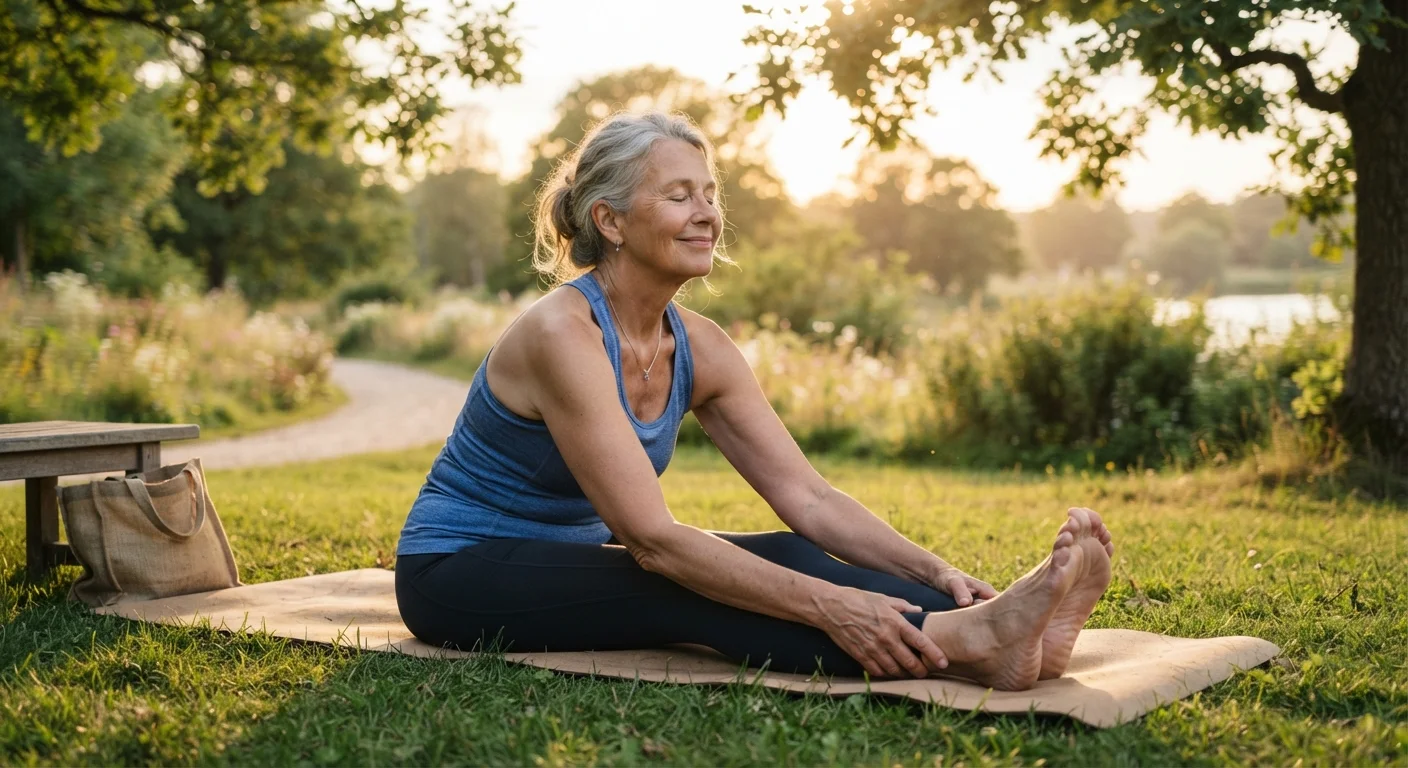
Weight-bearing and resistance exercise support bone maintenance by applying mechanical loading signals that stimulate bone formation. Balance and functional training directly reduce fall incidence. Evidence from multiple clinical trials, including meta-analyses reviewed by the U.S. Preventive Services Task Force, supports exercise interventions as effective for fall prevention in community-dwelling older adults.
Balance training for older adults is an accessible starting point, and programs can be modified for individuals with existing conditions including osteoporosis — always with appropriate professional guidance.
Start with a Fall Risk Conversation
Before beginning any new exercise program, older adults — especially those with known low bone density, a history of falls, or multiple chronic conditions — should discuss their fall risk with a physician or physical therapist. A professional assessment can identify specific vulnerabilities and help tailor a program that is both effective and safe for their individual situation.
Clinical Assessment and Monitoring
Bone mineral density measurement via DXA scanning, medication review for fall-risk drugs, vision assessment, and gait evaluation are all components of evidence-based fracture risk management. The FRAX® tool integrates multiple clinical variables to give clinicians and patients a clearer picture of 10-year fracture probability, informing decisions about preventive strategies.
This article is for general informational and educational purposes only and does not constitute medical advice. Speak with a qualified healthcare professional for personalized guidance on bone health, fall prevention, and fracture risk assessment.
Frequently Asked Questions
Yes. Osteoporosis is often called a 'silent disease' because bone loss occurs without pain or symptoms. Many people first learn they have low bone density only after sustaining a fracture. A bone density scan (DXA scan) is typically recommended for women 65 and older and for men 70 and older, or earlier for those with risk factors.
No. While increasing or preserving bone density reduces fracture risk, it does not eliminate it. Falls remain the most immediate trigger for most fractures. A comprehensive approach that also addresses balance, muscle strength, home safety, and medication review is essential alongside bone health management.
Hip fractures carry the highest burden, associated with significant rates of loss of independence, long-term disability, and increased mortality within one year of the injury. Vertebral (spine) fractures are also common and may cause chronic pain and height loss even without a fall.
Yes, though osteoporosis is underdiagnosed in men. Approximately one in five men over 50 will experience an osteoporosis-related fracture in their lifetime. Men tend to be diagnosed later and have higher mortality following hip fractures than women. See our article on <a href="/mens-health/common-mens-conditions/male-osteoporosis-the-bone-condition-that-rarely-gets-talked-about">male osteoporosis</a> for more detail.
The decline in estrogen during and after menopause accelerates bone mineral density loss, significantly raising fracture risk in postmenopausal women. This is why bone health assessment is a standard component of midlife women's healthcare.
Yes. Balance and strength training remain among the most evidence-supported strategies for reducing fall risk regardless of bone density status. However, exercise programs for people with established osteoporosis should be tailored by a qualified professional to avoid movements that increase fracture risk.
The content on this site is for informational purposes only and is not a substitute for professional advice. Always consult a qualified professional for guidance specific to your situation.