

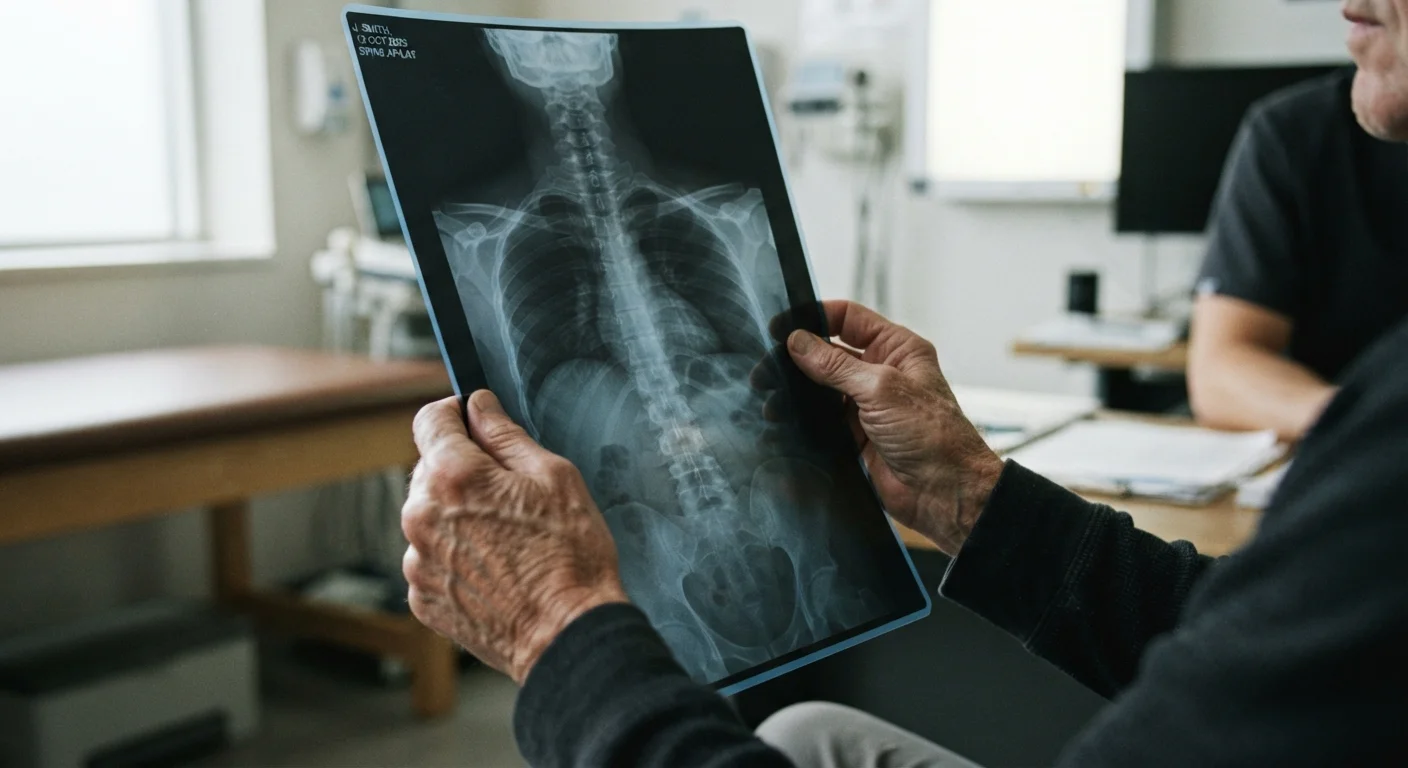
Why Men Are Left Out of the Osteoporosis Conversation
Osteoporosis has been framed as a women's health issue for so long that many men — and some clinicians — don't consider it a realistic concern for male patients. That framing has real consequences. Men are screened later, diagnosed less often, and treated at lower rates, even when their fracture risk is clinically significant.
The National Osteoporosis Foundation estimates that around 2 million American men have osteoporosis, and another 12 million are at risk due to low bone mass. Despite this, osteoporosis is documented as the cause of fracture in men far less frequently than it should be — a gap that researchers and clinicians have described as a major missed opportunity in preventive care.
Part of the disparity stems from biology: women experience rapid bone loss following menopause due to declining estrogen, making the condition more visible earlier. Men lose bone density more gradually, so the condition progresses quietly. But gradual doesn't mean inconsequential. By the time many men are diagnosed, significant bone loss has already occurred. For a closer look at how hormonal change drives bone loss differently in women, see how declining estrogen affects skeletal density.
1 in 4
Men over 50 will fracture a bone due to osteoporosis
According to the National Osteoporosis Foundation, roughly 25% of men over age 50 will experience an osteoporosis-related fracture during their lifetime.
2 million
American men currently have osteoporosis
The National Osteoporosis Foundation estimates approximately 2 million men in the U.S. have the condition, with millions more at risk from low bone mass.
~30%
Of all hip fractures occur in men
Despite lower overall rates than women, men account for a substantial share of osteoporotic hip fractures, and face higher post-fracture mortality rates.
Risk Factors That Are Specific — or More Pronounced — in Men
Understanding what puts men at elevated risk is important because some causes are distinct from those seen in women. Hypogonadism — chronically low testosterone — is one of the most significant. Testosterone plays a role in maintaining bone mass, and men who have had testosterone deficiency for years, whether from a medical condition or age-related decline, tend to show lower bone density.
Long-term glucocorticoid (corticosteroid) use is another leading cause of secondary osteoporosis in men. Conditions like asthma, rheumatoid arthritis, and inflammatory bowel disease often require extended steroid treatment, which directly suppresses bone formation. Heavy alcohol use — more prevalent in men statistically — is associated with both reduced bone density and increased fall risk. Smoking is an independent risk factor as well.
Other conditions that can contribute include chronic kidney disease, hyperthyroidism, and disorders that impair nutrient absorption. Men who have been treated for prostate cancer with androgen deprivation therapy (ADT) face substantially elevated osteoporosis risk, as ADT sharply reduces testosterone levels over an extended period.
Talk to Your Doctor If These Apply to You
If you are over 50 and have used corticosteroids for more than three months, have low testosterone, smoke, drink heavily, or have had an unexplained fracture as an adult, raise the topic of bone density screening at your next appointment. These factors together substantially increase risk. Early detection allows intervention well before a fracture becomes the first sign of a problem.
What Happens When Osteoporosis Goes Undetected
Osteoporosis itself causes no pain. Men typically have no awareness that their bones have weakened until a fracture occurs — sometimes from a fall that would not have injured someone with healthy bone density, or in severe cases, from minimal stress like lifting or coughing.
Vertebral (spinal) fractures are the most common osteoporotic fracture in men and often go unrecognized because they don't always cause acute pain. Instead, men may notice gradual height loss or a change in posture over time. Hip fractures are less common but far more serious. Research has consistently found that men who sustain a hip fracture have a higher one-year mortality rate than women with the same injury — a statistic that underscores how dangerous late diagnosis can be.
The pattern of underdiagnosis in men mirrors other health disparities that affect men broadly. Just as men's mental health struggles are frequently invisible until they become crises — explored in depth in why men's mental health gets overlooked — bone health tends to receive attention only after something breaks.
Screening, Diagnosis, and the Path Forward
Current clinical guidance from the U.S. Preventive Services Task Force and major osteoporosis organizations recommends DEXA scanning for men aged 70 and older, or for younger men with significant risk factors. This is a lower-priority recommendation than for women, which reflects both the later onset of bone loss and longstanding gaps in male-specific research.
If you are over 50 and have one or more risk factors — including long-term steroid use, low testosterone, a history of fractures, or heavy alcohol use — it is worth discussing bone density screening with a healthcare provider. A DEXA scan is painless, takes minutes, and can identify bone loss before a fracture occurs.
Treatment, when indicated, is managed by a physician and may include addressing underlying causes, optimizing calcium and vitamin D intake, engaging in weight-bearing physical activity, reducing fall hazards, and in some cases, prescription medication. Men with osteoporosis from conditions like gout or other joint-affecting diseases — gout is another condition that disproportionately affects men — may have compounding musculoskeletal factors to consider with their care team.
This article is for general informational purposes only and does not constitute medical advice. If you have concerns about bone health or fracture risk, speak with a qualified healthcare professional.
Frequently Asked Questions
Yes. Osteoporosis affects an estimated 2 million men in the United States, with millions more having low bone density. It is underrecognized largely because public health messaging has historically focused on women. Men develop it at a later age on average, but the fracture risk and complications are equally serious.
Key risk factors include low testosterone (hypogonadism), long-term use of corticosteroids, heavy alcohol use, smoking, low body weight, a family history of fractures, and conditions affecting calcium absorption such as celiac disease. Age over 70 is itself a significant independent risk factor.
Diagnosis is made through a DEXA (dual-energy X-ray absorptiometry) scan, which measures bone mineral density at the hip and spine. Men are less routinely referred for screening than women, so diagnosis often follows an unexpected fracture. Clinical guidelines generally recommend screening for men aged 70 and over, or earlier if risk factors are present.
The foundational approach — ensuring adequate calcium and vitamin D, weight-bearing exercise, and fall prevention — is similar across sexes. Medications used to treat osteoporosis in women, such as bisphosphonates, are also used in men and have evidence supporting their effectiveness. A doctor will determine the appropriate treatment plan based on individual bone density results and risk factors.
Studies consistently show that men who sustain hip fractures have higher short-term mortality rates than women with the same injury. This may be partly because men are older at the time of fracture, often have more underlying health conditions, and are less likely to have been treated for bone loss prior to the break.
The content on this site is for informational purposes only and is not a substitute for professional advice. Always consult a qualified professional for guidance specific to your situation.