

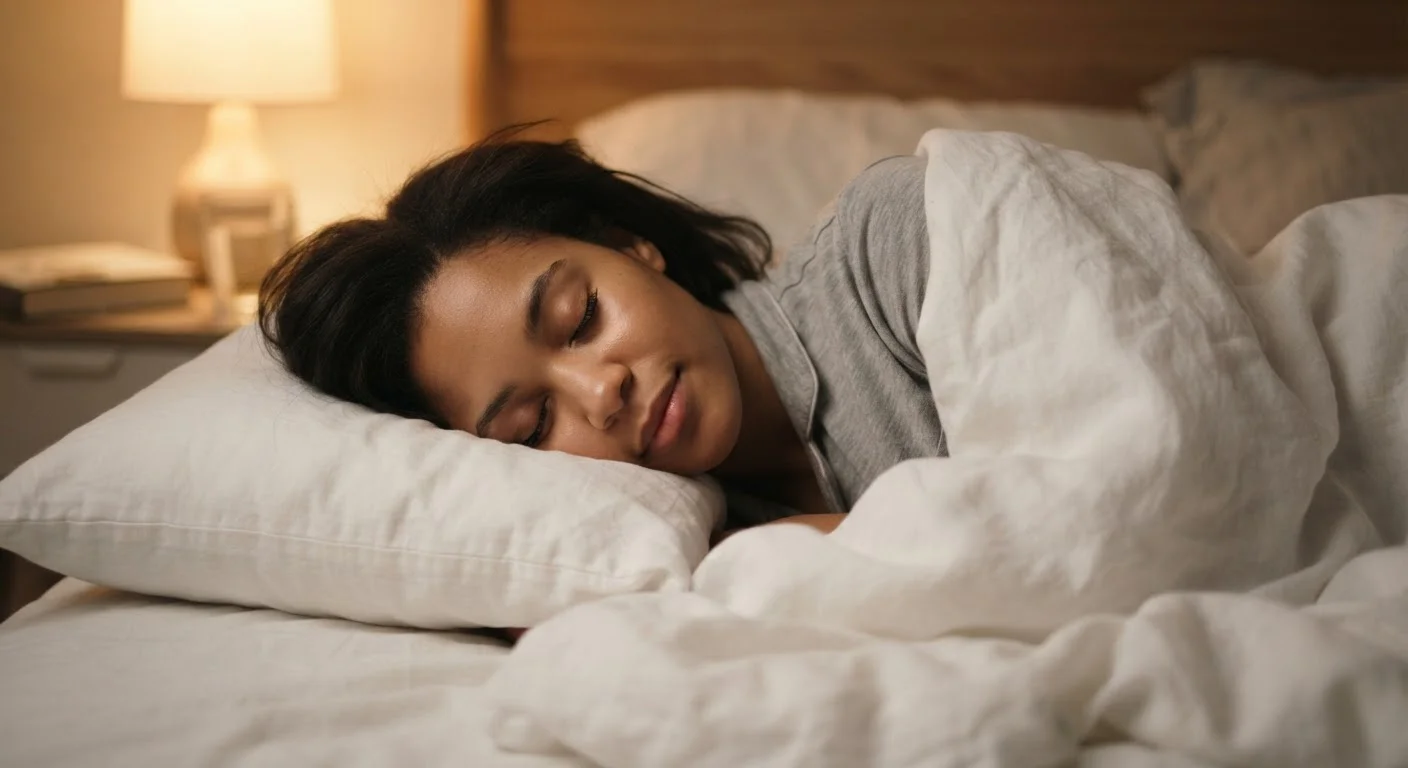
Why Sleep Is Not Passive for Your Immune System
Many people think of sleep as simple downtime — the body powering off to rest. In reality, sleep is a highly active biological state during which the immune system carries out processes that are difficult or impossible to complete while you are awake. Understanding this distinction is fundamental to grasping why sleep deprivation has such measurable health consequences.
During deep slow-wave sleep in particular, the body increases production of cytokines — small proteins that act as messengers between immune cells, helping coordinate responses to infection, injury, and inflammation. Some cytokines are both produced and needed more when the body is fighting an illness, which is why fever and fatigue drive us toward sleep when we are sick. The system is, in part, self-regulating.
This period of repair also supports immunological memory: the process by which the adaptive immune system stores information about pathogens it has encountered. Research indicates that slow-wave sleep plays a role in consolidating this memory, somewhat analogously to how sleep consolidates cognitive learning. For those interested in the broader effects of disrupted sleep on the brain, our article on sleep and the aging brain explores the cognitive dimension in detail.
3×
Higher cold risk with under 7 hours of sleep
A study in Archives of Internal Medicine found adults sleeping fewer than 7 hours were roughly three times more likely to develop a cold after virus exposure.
7–9 hrs
Recommended nightly sleep for adults
Most major health organizations, including the American Academy of Sleep Medicine, recommend 7–9 hours of sleep per night for adults to support overall health.
↑ IL-6
Inflammatory marker elevation after poor sleep
Research has documented elevated interleukin-6 (IL-6) — a pro-inflammatory cytokine — following nights of restricted sleep in otherwise healthy adults.
What the Research Actually Shows
The epidemiological and experimental evidence connecting sleep and immunity is among the more robust in behavioral medicine. A frequently cited study published in Archives of Internal Medicine found that participants who slept fewer than 7 hours per night were approximately three times more likely to develop a cold after controlled exposure to a rhinovirus than those who slept 8 or more hours.
Separate research has demonstrated that sleep deprivation blunts antibody responses to vaccines, including those for influenza and hepatitis B. This matters practically: getting adequate sleep in the days surrounding a vaccination appears to support a more complete immune response.
Chronic sleep loss — defined broadly as consistently sleeping less than the recommended 7–9 hours for adults — is also associated with elevated inflammatory biomarkers such as C-reactive protein (CRP) and interleukin-6 (IL-6). Sustained low-grade inflammation is a recognized contributor to cardiovascular disease, metabolic disorders, and other long-term health risks. This connection is especially relevant for older adults; see our complementary piece on chronic conditions and sleep in older adults for a closer look at how this interplay develops with age.
“Sleep is the single most effective thing we can do to reset our brain and body health each day — and the immune system is one of its primary beneficiaries.”
— Matthew Walker, Professor of Neuroscience and Psychology, University of California, Berkeley; author of 'Why We Sleep'
The Inflammation Connection and Chronic Disease Risk
One of the clearest mechanistic links between poor sleep and immune dysfunction runs through inflammation. Inflammation is a normal and necessary immune response — it helps the body isolate and eliminate harmful agents. The problem arises when inflammation becomes chronic and low-grade, persisting without a specific threat to address.
Sleep restriction has been shown to activate inflammatory pathways even in otherwise healthy individuals. This is thought to occur partly because the normal overnight suppression of certain pro-inflammatory signals — a process that requires adequate sleep duration — is disrupted. Over time, this dysregulation can contribute to immune states that are simultaneously overactive in some dimensions (chronic inflammation) and underactive in others (reduced pathogen defense).
For people already managing chronic pain, the relationship is even more layered. Poor sleep worsens pain perception, and pain in turn disrupts sleep — a cycle explained thoroughly in our article on sleep and chronic pain. Diet also plays a supporting role: what you eat can influence both sleep quality and inflammatory load, a topic covered in our piece on the role of nutrition in sleep quality.
Supporting Sleep for Immune Health
General sleep hygiene practices — consistent bed and wake times, a cool and dark sleep environment, and limiting screen exposure before bed — are widely supported by research as ways to improve sleep quality and duration. These are broad population-level principles, not personal medical prescriptions. If you have ongoing sleep difficulties, speak with a healthcare provider to rule out underlying causes such as sleep apnea or anxiety.
Sleep, Immunity, and Special Populations
The immune benefits of sleep are not uniform across all life stages, and some populations warrant particular attention.
Children have especially high sleep needs because development — including immune system maturation — is concentrated in early life. Growth hormone and immune-modulating signals are predominantly released during sleep. Our dedicated article on the role of sleep in a child's development covers how different sleep stages support immune and neurological growth. Older adults often experience changes in sleep architecture that reduce the proportion of restorative deep sleep, which may partly explain increased infection susceptibility with aging.
Individuals with existing chronic conditions, those on immunosuppressive therapies, and pregnant individuals should seek personalized guidance from a qualified healthcare provider rather than relying on general population data.
This article is for general informational and educational purposes only and does not constitute medical advice. Always consult a qualified healthcare professional for guidance specific to your health situation, symptoms, or treatment decisions.
Frequently Asked Questions
During sleep, the body produces cytokines — signaling proteins that help coordinate immune responses. When sleep is cut short, cytokine production drops, reducing the immune system's ability to detect and respond to threats. Research published in peer-reviewed journals has shown that people who sleep fewer than 7 hours per night are significantly more likely to develop a cold after exposure to a virus.
Most major health organizations recommend 7 to 9 hours of sleep per night for adults. Falling consistently below 7 hours is associated with measurable immune impairment in multiple studies. Individual needs vary, so speak with a healthcare professional if you're uncertain about what's appropriate for you.
Research suggests that "sleep debt" cannot be fully repaid through weekend catch-up sleep, especially when deprivation is chronic. While additional sleep on rest days can help reduce some fatigue, the immune and metabolic disruptions from ongoing poor sleep accumulate over time and are not easily reversed short-term.
Yes. Studies have found that people who are sleep-deprived in the days around a vaccination generate fewer antibodies in response, potentially reducing the vaccine's protective effect. Getting adequate sleep before and after vaccination is considered beneficial for a full immune response.
Yes. Chronic sleep insufficiency has been associated with elevated markers of systemic inflammation, including C-reactive protein and interleukin-6. Persistent low-grade inflammation is a recognized risk factor for cardiovascular disease, type 2 diabetes, and other chronic conditions.
The content on this site is for informational purposes only and is not a substitute for professional advice. Always consult a qualified professional for guidance specific to your situation.