

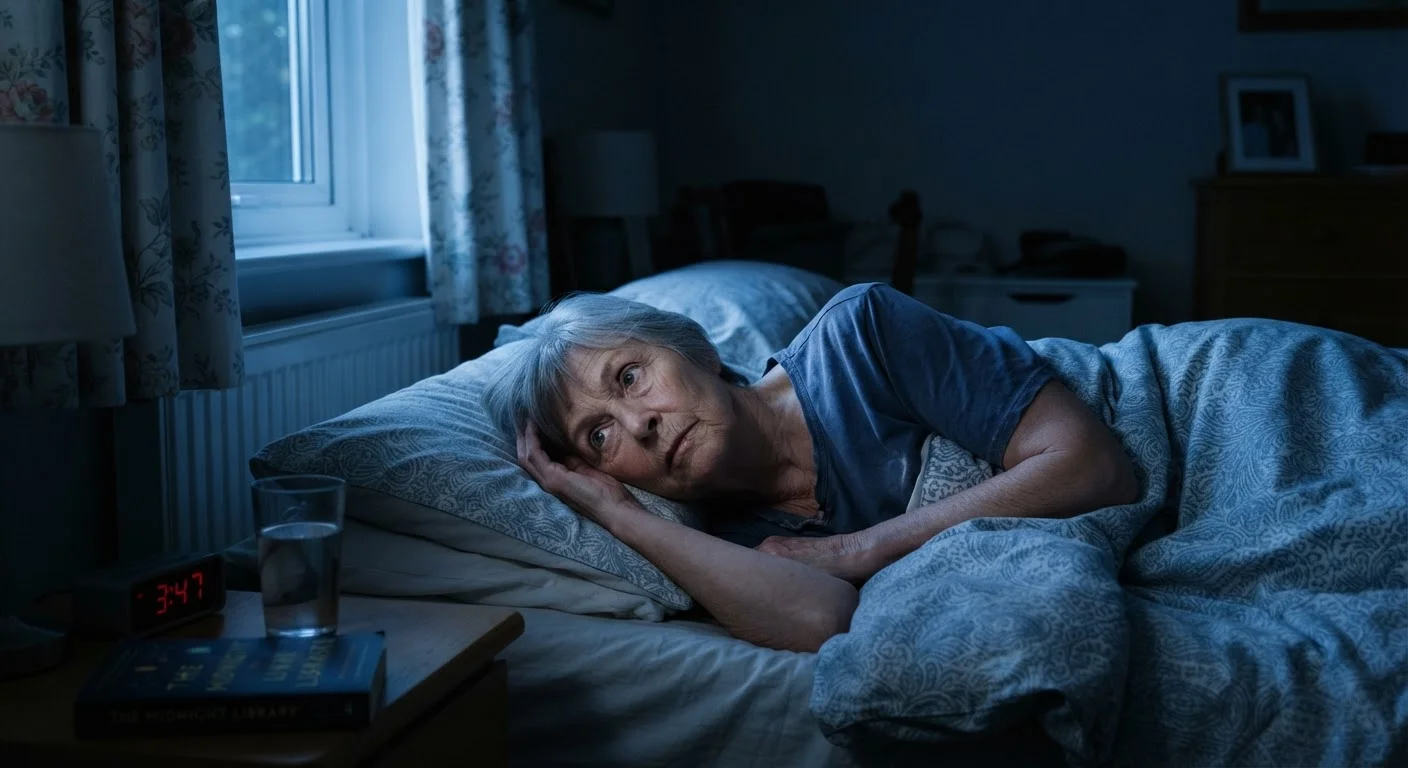
How Sleep Architecture Changes With Age
Sleep is not a single, uniform state — it cycles through distinct stages, each serving different biological functions. In younger adults, roughly 20–25% of the night is spent in slow-wave (deep) sleep, the phase most associated with physical restoration and memory consolidation. Another significant portion is devoted to REM sleep, where the brain processes emotional experiences and strengthens complex memories.
With age, both of these stages compress. Older adults typically spend less time in slow-wave and REM sleep and more time in lighter sleep stages, making them more susceptible to nighttime awakenings. Circadian rhythms — the internal biological clocks that regulate sleep-wake timing — also shift, often driving earlier sleep onset and earlier waking. These are not signs of dysfunction in themselves, but they reduce the total amount of restorative sleep the brain receives each night.
For a deeper look at the cellular mechanisms behind these processes, see how slow-wave and REM sleep drive brain repair.
Normal Change vs. Sleep Disorder
Not all age-related sleep changes signal a medical problem. Shifting to an earlier sleep schedule or waking once during the night can be part of normal aging. However, consistently poor sleep quality, excessive daytime sleepiness, loud snoring, or mood changes linked to sleep are worth discussing with a healthcare provider. The distinction matters because many underlying sleep disorders are diagnosable and treatable.
What Disrupted Sleep Does to Memory and Cognition
The relationship between sleep and memory is well established in neuroscience. During slow-wave sleep, the brain replays and consolidates newly learned information, transferring it from short-term to long-term storage. REM sleep appears to strengthen associative and procedural memories. When these stages are consistently cut short, memory encoding suffers.
In practical terms, older adults with poor sleep quality often report increased forgetfulness, difficulty concentrating, and slower recall. Research has also linked chronic sleep disruption to reduced executive function — the cognitive skills involved in planning, decision-making, and managing competing demands. Importantly, some studies have explored whether disrupted sleep may accelerate the accumulation of amyloid-beta, a protein associated with Alzheimer's disease, though this relationship remains an active area of research rather than a settled conclusion.
Understanding these changes in context matters. What neuroscience tells us about the aging brain makes clear that not all cognitive shifts in older adults are disease-driven — and sleep is a modifiable factor that deserves serious attention.
~50%
Older adults reporting chronic sleep complaints
Studies estimate that approximately half of adults aged 65 and older report at least one chronic sleep complaint, including difficulty falling or staying asleep.
20–25%
Reduction in slow-wave sleep with age
Research indicates that slow-wave sleep can decline by 20–25% between early adulthood and older age, reducing the brain's nightly memory consolidation window.
2–3x
Increased depression risk with insomnia
Multiple studies have found that older adults with chronic insomnia face a significantly elevated risk of developing depressive symptoms compared to those who sleep well.
The Mood and Emotional Health Connection
Sleep's effects on the aging brain extend well beyond cognition. The brain regions responsible for emotional regulation — particularly the amygdala and prefrontal cortex — are highly sensitive to sleep quality. When sleep is disrupted, the amygdala becomes more reactive, and the prefrontal cortex's ability to modulate that reactivity weakens. The result is heightened emotional sensitivity: greater irritability, more difficulty tolerating stress, and a reduced capacity to recover from negative experiences.
For older adults, this biological vulnerability intersects with real-life circumstances. Chronic illness, bereavement, social isolation, and reduced mobility are all more common in later life and can independently strain mental health. When sleep deprivation compounds these pressures, the risk of depression and anxiety increases meaningfully. Research consistently shows that older adults with insomnia have elevated rates of depressive symptoms — and that the relationship runs in both directions, with depression also disrupting sleep.
For more on how irregular or shortened sleep specifically erodes emotional resilience, see what consistently under-sleeping does to mood. The overlap with social health is also worth noting — loneliness and cognitive health research points to social isolation as another compounding factor for both sleep and brain health.
Talk to a Doctor Before Trying Sleep Aids
Over-the-counter sleep medications and many prescription sedatives carry particular risks for older adults, including increased fall risk, next-day cognitive impairment, and dependency. If you or a loved one is struggling with sleep, speak with a healthcare provider before using any sleep aid. Cognitive behavioral therapy for insomnia (CBT-I) is generally considered a safer first-line option.
What Older Adults and Caregivers Can Do
The encouraging reality is that many sleep problems in older adults are addressable. The first step is recognizing that persistent sleep difficulty is not something to simply accept as an inevitable feature of aging — it is a health concern that warrants evaluation. A healthcare provider can assess for underlying conditions such as sleep apnea, restless legs syndrome, or medication side effects that may be disrupting rest.
Beyond clinical evaluation, evidence supports several behavioral approaches. Consistent sleep and wake times strengthen circadian rhythm signaling. Morning light exposure helps anchor the body clock. Regular physical activity, particularly aerobic exercise, is associated with improvements in sleep quality in older adults. Limiting caffeine in the afternoon, reducing alcohol, and creating a cool, dark sleep environment are practical steps with meaningful supporting evidence.
Cognitive behavioral therapy for insomnia (CBT-I) is recognized by sleep medicine specialists as a first-line treatment for chronic insomnia and is effective in older populations. It addresses the thought patterns and behaviors that perpetuate poor sleep without the risks associated with long-term sedative use.
For broader context on lifestyle factors that support brain health alongside sleep, see habits that support long-term brain health in older adults. Older adults managing chronic conditions should also be aware of the bidirectional relationship between illness and sleep, explored in chronic conditions and sleep.
This article is for general informational purposes only and does not constitute medical advice. Always consult a qualified healthcare professional regarding personal sleep concerns, cognitive symptoms, or changes in mood.
Frequently Asked Questions
It is common for sleep patterns to shift with age, including earlier bedtimes, earlier waking, and more frequent nighttime awakenings. However, needing significantly less sleep is not a universal feature of healthy aging. Most adults, including older ones, still need 7–9 hours of sleep per night according to general sleep health guidelines. Persistent sleep difficulty is worth discussing with a healthcare provider.
Chronic sleep disruption is associated with impaired memory consolidation, reduced attention, and slower information processing. While poor sleep alone does not cause dementia, some research suggests that long-term sleep problems may be a contributing risk factor for cognitive decline. Addressing sleep difficulties is considered an important part of overall brain health in older adults.
Poor sleep reduces the brain's ability to regulate emotions, making older adults more vulnerable to irritability, anxiety, and depressive symptoms. The relationship is bidirectional — mood disorders can also worsen sleep quality. Treating sleep problems can often produce meaningful improvements in emotional wellbeing.
Insomnia, sleep apnea, restless legs syndrome, and circadian rhythm disorders are among the most frequently diagnosed sleep conditions in older populations. Sleep apnea in particular is often underdiagnosed in seniors and can significantly disrupt restorative sleep. A sleep medicine specialist or primary care physician can evaluate symptoms and recommend appropriate assessment.
Any sleep difficulty that is persistent, affecting daytime functioning, or accompanied by symptoms such as loud snoring, gasping, or significant mood changes warrants a conversation with a healthcare provider. Sleep problems in older adults are frequently treatable when properly evaluated. Do not assume disrupted sleep is simply an unavoidable part of aging.
The content on this site is for informational purposes only and is not a substitute for professional advice. Always consult a qualified professional for guidance specific to your situation.