

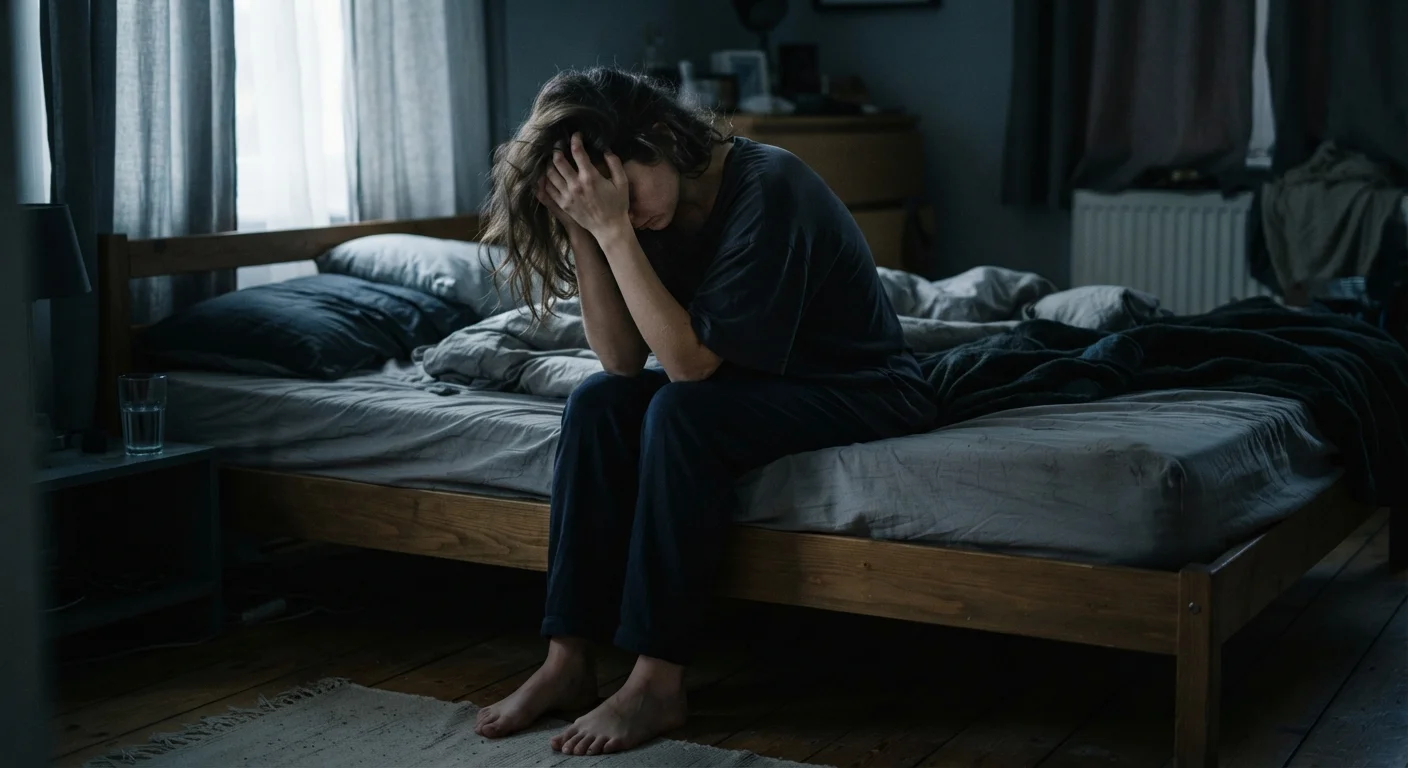
The Emotional Cost of Cutting Sleep Short
Most people accept tiredness as the predictable price of a late night or an early alarm. What's far less understood is how consistently trimming sleep — even by just an hour — reshapes the emotional landscape of everyday life. This isn't about one bad night; it's about what happens when the shortfall compounds.
The brain processes emotions during sleep, particularly during REM (rapid eye movement) sleep. When you're chronically under-slept, that processing is interrupted. The result isn't simply fatigue — it's a measurable shift in how intensely you feel negative emotions and how dimly you register positive ones. Researchers at UC Berkeley found that sleep-deprived individuals showed up to 60% greater amygdala reactivity to upsetting stimuli compared to well-rested counterparts.
For the science-backed strategies for better sleep that support emotional health, the foundation starts with understanding what consistent under-sleep is actually doing to your brain.
~35%
U.S. adults sleeping less than 7 hours nightly
According to the CDC, roughly one in three American adults regularly falls short of recommended sleep duration.
60%
Greater amygdala reactivity under sleep deprivation
Research from UC Berkeley found sleep-deprived participants showed markedly amplified emotional brain responses to negative stimuli.
2x
Increased anxiety after a single sleepless night
A study in Nature Human Behaviour reported anxiety levels doubled after one night without sleep, particularly in trait-anxious individuals.
Irritability, Anxiety, and the Thinning of Emotional Tolerance
One of the earliest and most reliably reported mood effects of sleep debt is irritability — a shorter fuse, a quicker temper, a reduced capacity to tolerate the ordinary friction of daily life. This isn't a personality flaw or a bad attitude; it's a neurological consequence.
When the prefrontal cortex is under-resourced from lack of sleep, its ability to put the brakes on reactive emotion is compromised. Situations that you'd handle with equanimity when rested can feel genuinely overwhelming when you're sleep-deprived. Anxiety, too, tends to climb. Research published in the journal Nature Human Behaviour found that even one night of sleep loss significantly elevated anxiety levels, with the effect most pronounced in people already prone to worry.
This dynamic is particularly relevant for those dealing with disrupted sleep schedules and emotional resilience — where it isn't just duration but consistency of sleep timing that matters.
Notice Emotional Shifts as Sleep Signals
Unexplained irritability, a sudden sense of being overwhelmed, or a low mood that doesn't track with your circumstances can all be early signs of mounting sleep debt. Treating these emotional shifts as information — not personal failings — can motivate meaningful changes to your sleep routine before the deficit grows deeper.
The Longer Arc: Sleep Debt and Depression Risk
While a bad mood after a rough night is temporary, sustained sleep shortfalls carry a more serious emotional risk. Epidemiological research consistently identifies chronic short sleep as a meaningful risk factor for clinical depression. The relationship is bidirectional: depression disrupts sleep, and poor sleep fuels depressive symptoms. But even in people without a pre-existing diagnosis, years of insufficient sleep appear to gradually erode baseline mood and emotional resilience.
Serotonin and dopamine — two neurotransmitters central to mood regulation — are both affected by sleep. Disrupted sleep interferes with their production and receptor sensitivity, meaning chronically under-slept individuals may experience a blunted capacity for pleasure and motivation over time.
People managing age-related health conditions face compounded challenges here. The relationship between chronic illness and sleep can create self-reinforcing cycles that are difficult to break without professional guidance. Similarly, sleep disruption can amplify mood disorders in women in ways that deserve particular attention.
What You Can Do — and When to Seek Support
The encouraging news is that mood improvements often follow relatively quickly once sleep is consistently restored. Prioritizing 7–9 hours of sleep per night — a range recommended by major sleep medicine bodies for most adults — gives the brain the time it needs to complete emotional processing cycles and regulate its chemistry.
It's worth examining common misconceptions before assuming your habits are sound. The sleep myths that may be undermining your rest are surprisingly pervasive, and even well-intentioned routines can work against deep, restorative sleep.
If you're sleeping what appears to be sufficient time but still feel emotionally depleted, duration may not be the only variable. Waking up exhausted after eight hours can signal disrupted sleep architecture that requires a different kind of attention.
If mood changes feel persistent, severe, or are affecting your relationships and daily functioning, please speak with a qualified healthcare professional. Chronic emotional distress alongside poor sleep is worth taking seriously — and is something a clinician can help you address systematically.
Sleep Needs Vary by Individual
While 7–9 hours is a broadly recommended range for adults, individual needs vary. Some people feel genuinely restored on 7 hours; others require closer to 9. Age, health status, and activity level all influence how much sleep your body needs to support emotional and cognitive function. A healthcare provider can help you identify what's right for you.
This article is for general informational and educational purposes only and does not constitute medical advice. Always consult a qualified healthcare provider regarding personal health concerns, symptoms, or treatment decisions.
Frequently Asked Questions
Studies suggest that even one or two nights of sleeping under 6 hours can measurably increase irritability and emotional reactivity. When this pattern becomes chronic — lasting weeks or months — the mood effects become more pronounced and harder to shake.
Chronic sleep deprivation is a significant risk factor for developing depression, though the relationship is bidirectional — depression also disrupts sleep. If you're experiencing persistent low mood alongside poor sleep, speaking with a healthcare provider is important.
Weekend recovery sleep offers some short-term relief, but research indicates it doesn't fully reverse the cognitive and emotional toll of weekday sleep debt. Consistent nightly sleep is far more restorative than irregular patterns of deprivation and recovery.
Sleep loss reduces activity in the prefrontal cortex — the region responsible for keeping emotional reactions proportionate — while heightening amygdala sensitivity. This combination makes stressors feel larger and harder to contextualize than they would with adequate rest.
Yes. People with pre-existing anxiety, mood disorders, or high baseline stress tend to experience more severe emotional consequences from sleep shortfalls. Hormonal factors also play a role, and some research suggests women may be particularly susceptible to mood disruption from poor sleep.
The content on this site is for informational purposes only and is not a substitute for professional advice. Always consult a qualified professional for guidance specific to your situation.