

Your Brain Doesn't Clock Out When You Do
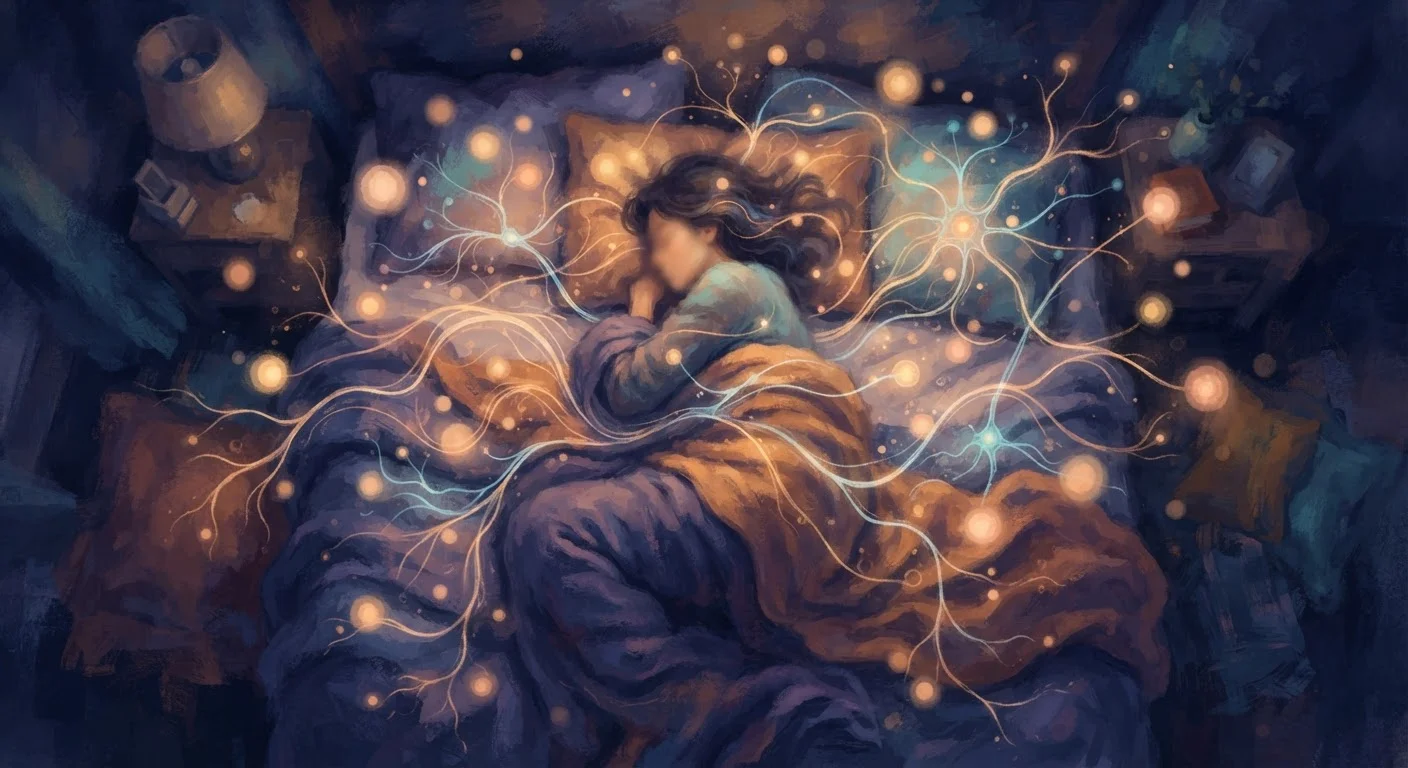
If you've ever gone to bed upset and woken up feeling more settled — without anything in the world having actually changed — you've experienced something neuroscientists have been working to understand for decades. Sleep isn't a passive off-switch for the brain. It's a highly active period of maintenance, and one of its most important jobs is recalibrating the emotional weight of your experiences.
This is distinct from simply forgetting. You likely still remember what happened. What sleep changes is how it feels — the intensity, the urgency, the visceral grip of the memory. Understanding why this happens can reshape how we think about rest as a genuine mental wellness tool, not just a physical necessity.
For a broader look at what the brain accomplishes overnight, see The Science Behind Why Sleep Repairs the Brain.
The Role of REM Sleep in Emotional Recalibration
Emotional memories are processed differently from neutral ones, and the stage of sleep most responsible for that difference is REM (rapid eye movement) sleep. During REM, the brain revisits recent experiences — particularly emotionally significant ones — but does so in a distinctive neurochemical environment.
Norepinephrine, a neurotransmitter associated with stress and arousal, drops to its lowest levels of the entire day during REM sleep. Neuroscientist Matthew Walker and colleagues have proposed that this creates what some researchers describe as a kind of "safe replay" — the brain reactivates the memory's content while the stress-signaling chemistry is essentially offline. The emotional tone gets processed and attenuated; the factual information is preserved.
The amygdala — the brain region most involved in detecting and reacting to emotional stimuli — remains highly active during REM. Rather than sounding an alarm, however, it appears to work in concert with the prefrontal cortex to gradually reduce the raw distress tied to earlier experiences.
“Sleep is not just a time for the body to rest — it is a time when the brain performs essential emotional housekeeping, selectively preserving memory while reducing its affective burden.”
— Matthew Walker, Neuroscientist and sleep researcher, University of California, Berkeley
To understand how REM compares with other stages, REM Sleep vs. Deep Sleep breaks down each stage's distinct contributions to mental wellness.
When Sleep Is Disrupted, Emotional Memories Stay Sharp
The flip side of this process matters just as much. When sleep is cut short, fragmented, or chronically poor in quality, the brain loses its nightly opportunity to modulate emotional memories. Studies using fMRI imaging have shown that sleep-deprived individuals show significantly greater amygdala reactivity to negative images — the emotional brake system becomes less effective when rest is insufficient.
~60%
Greater amygdala reactivity after sleep deprivation
Research using neuroimaging has found significantly heightened amygdala responses to negative stimuli in sleep-deprived participants compared to those who slept normally, reflecting reduced emotional regulation capacity.
Last 2 hrs
When the longest REM periods occur
REM cycles lengthen progressively through the night, with the most extended periods occurring in the final two hours — making cutting sleep short disproportionately costly for emotional memory processing.
This has real downstream effects. People navigating difficult periods often find their sleep disrupted — and that disruption can make emotional experiences feel more overwhelming and harder to move past. Disrupted sleep and emotional resilience explores how irregular sleep timing — not just total duration — quietly erodes this capacity.
It's also worth noting that older adults experience changes in sleep architecture that can affect this processing. Sleep and the aging brain examines what those shifts mean for memory and emotional health across the lifespan.
What This Means for Everyday Mental Wellness
Understanding that sleep actively recalibrates emotional memory shifts rest from a passive luxury to an active mental health practice. It also helps explain why chronic sleep deprivation is so consistently linked with increased anxiety, emotional reactivity, and difficulty recovering from stressful events.
Protect Your Final Hours of Sleep
Because the longest REM cycles occur in the last one to two hours of a full night's sleep, even modest reductions in total sleep time can significantly cut into emotional processing. Prioritizing a consistent wake time — and working backward to ensure enough total time in bed — helps protect this crucial window. If you're struggling with sleep quality or duration, a healthcare provider can help identify the right approach for your situation.
Sleep science also intersects meaningfully with what we know about emotional regulation during waking hours. If you're curious how the brain handles difficult emotions when we're awake, emotional suppression vs. processing offers complementary perspective on what the research says about that balance.
None of this is to suggest that sleep alone resolves deep emotional pain or replaces professional support when that's needed. Rather, it underscores that protecting sleep quality is a genuinely evidence-informed way to support your emotional resilience — night after night.
This article is for informational purposes only and is not a substitute for professional medical or mental health advice. If you are experiencing persistent sleep difficulties, mood disturbances, or emotional distress, please consult a qualified healthcare provider.
Frequently Asked Questions
During REM sleep, your brain reactivates recent emotional memories in a neurochemical environment low in norepinephrine — the stress-related chemical. This allows the emotional charge of an experience to be processed and reduced without re-triggering the original distress, so the memory feels less raw after a full night's rest.
Without adequate sleep — particularly REM sleep — the brain loses a key opportunity to recalibrate emotional memories. Research suggests this can leave people more emotionally reactive, more sensitive to negative stimuli, and less able to regulate stress effectively the following day.
Sleep science does suggest that healthy REM sleep supports emotional memory regulation, but trauma — especially PTSD — involves complex disruptions to both sleep and memory processing that require professional clinical care. If you're experiencing intrusive or distressing memories, please speak with a qualified mental health provider.
Dreaming appears to be a byproduct of REM sleep rather than the mechanism itself, but some researchers believe the content of dreams may reflect the brain's emotional sorting process. The neurological work of emotional recalibration happens during REM whether dreams are remembered or not.
Most adults need seven to nine hours of sleep per night according to general sleep health guidance, and a full night typically includes multiple REM cycles — with the longest occurring in the final hours. Cutting sleep short disproportionately reduces REM time, limiting emotional processing. Consult a healthcare provider for personalized guidance.
The content on this site is for informational purposes only and is not a substitute for professional advice. Always consult a qualified professional for guidance specific to your situation.