

Our Verdict
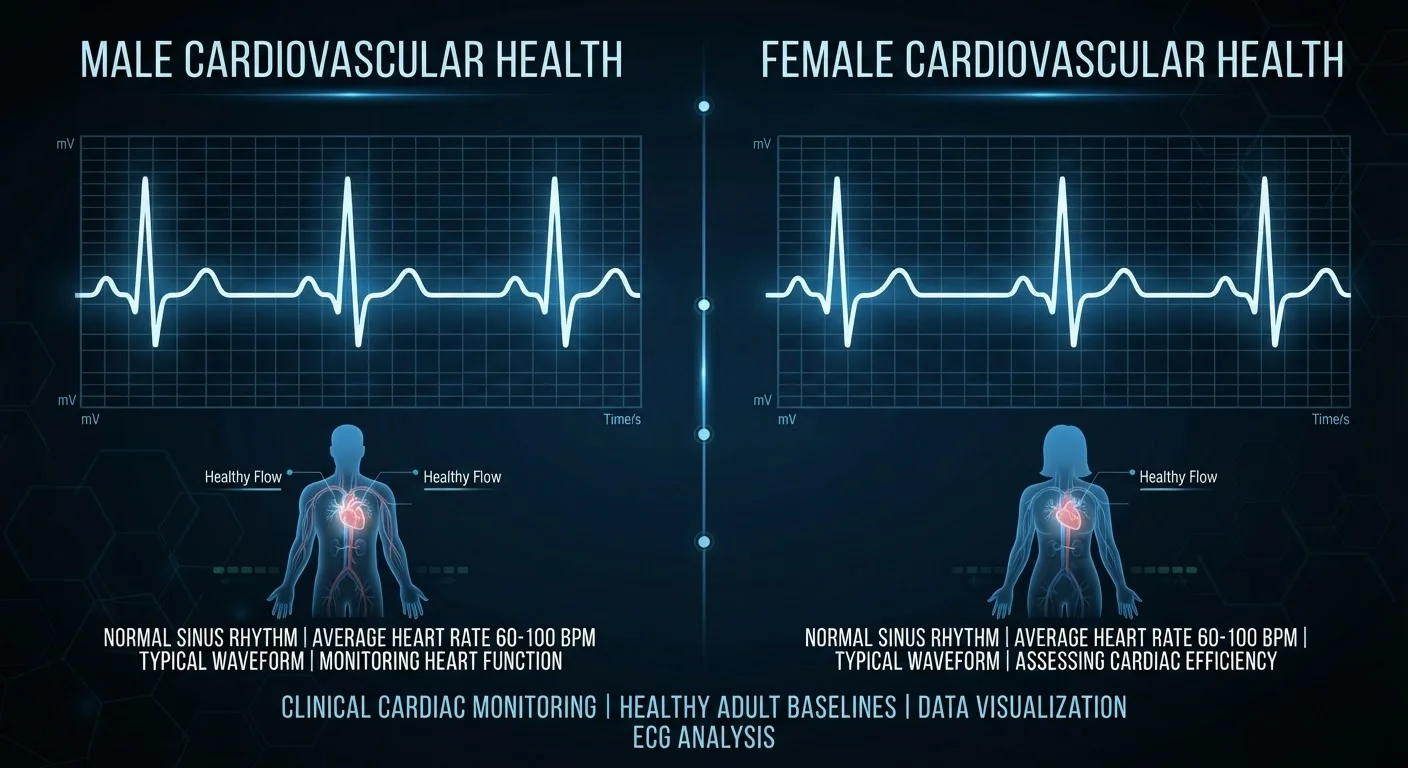
The cardiovascular risk gap between men and women is real but nuanced. Men face earlier onset driven by hormonal, biological, and behavioral factors, while women's risk accelerates after menopause and is sometimes underestimated. Prevention strategies must account for these differences, and both sexes benefit from earlier, more consistent cardiovascular screening.
| Best for | Recommended |
|---|---|
| Men in their 30s and 40s who want to understand their earlier risk window | Early risk factor screening and lifestyle modification |
| Women approaching or past menopause monitoring cardiovascular health | Post-menopausal cardiovascular risk reassessment with a clinician |
| Anyone seeking to separate biology from modifiable behavior | Comprehensive risk factor evaluation covering both fixed and controllable factors |
Why Men Face Heart Disease Earlier
Heart disease is the leading cause of death for men in the United States, and one of the most consistent findings in cardiovascular research is that men experience their first major cardiac event roughly 7–10 years earlier than women. This isn't coincidence — it reflects a convergence of hormonal biology, vascular physiology, and behavioral patterns that together shift the risk timeline forward for men.
Testosterone, the dominant sex hormone in men, has been associated with less favorable lipid profiles compared to estrogen. Specifically, men tend to have lower levels of HDL (high-density lipoprotein, the so-called "good" cholesterol) and higher levels of LDL and triglycerides from earlier in adulthood. These shifts accelerate the buildup of arterial plaque — the underlying process in most forms of cardiovascular disease. See modifiable and non-modifiable cardiovascular risk factors for a broader breakdown of what drives individual risk.
| Factor | Men | Women | |
|---|---|---|---|
| Average age of first cardiac event | ~65 years | ~72 years | |
| Sex hormone cardiovascular effect | Testosterone: less favorable lipid profile | Estrogen: cardioprotective before menopause | |
| HDL cholesterol levels | Generally lower | Generally higher premenopause | |
| Risk trajectory over lifetime | Elevated from early adulthood | Rises sharply after menopause | |
| Care-seeking behavior | Tend to delay medical care | More likely to engage preventive care | |
| Abdominal obesity prevalence | Higher rates | Lower rates premenopause |
The Protective Role of Estrogen — and Its Limits
Before menopause, women benefit from estrogen's cardioprotective effects. Estrogen supports healthy endothelial function (the lining of blood vessels), promotes favorable cholesterol ratios, and helps regulate blood pressure. This biological advantage helps explain why premenopausal women have substantially lower rates of heart attack and coronary artery disease compared to men of the same age.
However, this protection is not permanent. After menopause, estrogen levels decline significantly, and women's cardiovascular risk rises sharply. Within a decade of menopause, women's rates of heart disease begin to approach those of men. The hormonal changes associated with menopause are therefore a critical inflection point in women's cardiovascular health — one that warrants proactive discussion with a healthcare provider.
Know Your Numbers Before Symptoms Appear
Blood pressure, fasting lipid levels, and blood glucose can all be elevated for years without obvious symptoms. For men especially, establishing a cardiovascular baseline in their 30s gives clinicians the data needed to spot trends early. Women approaching menopause should use that transition as a prompt to revisit their cardiovascular risk profile with their doctor.
Behavioral and Structural Factors That Widen the Gap
Biology alone doesn't explain the full disparity. Men are statistically less likely to attend routine medical appointments, more likely to dismiss symptoms, and more likely to have unmanaged risk factors such as hypertension and high cholesterol at the time of a first cardiac event. Research consistently shows that men seek medical care later than women — a pattern with measurable health consequences. Delayed diagnosis in men follows patterns shaped by both cultural norms and structural barriers to care.
Smoking rates have historically been higher in men, and while that gap has narrowed, men still account for a disproportionate share of tobacco-related cardiovascular harm. Abdominal obesity — a particularly strong cardiovascular risk marker — is also more prevalent in men. These modifiable factors compound the underlying biological risk and represent the clearest opportunities for prevention.
7–10 years
Earlier heart disease onset in men vs. women
Reported across multiple large epidemiological studies, including data from the Framingham Heart Study cohort.
~80%
Of premature heart disease cases that are preventable
The World Health Organization estimates that the majority of premature cardiovascular deaths are linked to modifiable risk factors.
2x
Higher likelihood men die of first heart attack
CDC data indicates men are more likely than women to die from a first myocardial infarction, partly due to later presentation.
What This Means for Prevention and Screening
The existence of a risk gap doesn't mean cardiovascular disease is inevitable for men or avoidable for women. Rather, it points to sex-specific windows for intervention. For men, the case for earlier and more consistent cardiovascular screening — blood pressure, fasting lipids, blood glucose — is strong. How cardiovascular risk shifts across each decade of life provides useful context for timing these conversations with a clinician.
For women, the post-menopausal period deserves the same urgency that younger men should already be applying to their heart health. Cardiovascular disease is not a "man's disease" — a myth addressed directly in common myths about heart disease. Anyone with a family history, metabolic risk factors such as diabetes, or elevated blood pressure should discuss their individual risk profile with a qualified healthcare provider regardless of sex or age.
This article is for general informational purposes only and does not constitute medical advice. Consult a qualified healthcare professional for guidance specific to your health history and circumstances.
The content on this site is for informational purposes only and is not a substitute for professional advice. Always consult a qualified professional for guidance specific to your situation.