

Our Verdict
Physical therapy and pain medication are not competing solutions — they operate through different mechanisms and address different aspects of chronic pain. For most people living with long-term pain, an integrated plan guided by a qualified clinician will draw on both, adjusted over time as needs change.
| Best for | Recommended |
|---|---|
| Those with musculoskeletal or movement-related pain seeking long-term functional improvement | Physical Therapy |
| Those experiencing acute pain flares or pain severe enough to prevent participation in rehabilitation | Pain Medication |
| Most people managing complex, ongoing chronic pain conditions | Integrated approach combining both, under clinical supervision |
Two Different Tools for a Complex Problem
Chronic pain is rarely simple, and neither are the approaches used to manage it. Physical therapy and pain medication are two of the most commonly discussed options — but they work through entirely different mechanisms and serve distinct purposes in a care plan.
If you've recently received a chronic pain diagnosis, the introduction to living with chronic pain offers helpful context on how these conditions are assessed and managed overall. Understanding what each treatment modality does — and doesn't do — helps set realistic expectations and supports more informed conversations with your healthcare team.
| Physical Therapy | Pain Medication | |
|---|---|---|
| Primary mechanism | Corrects movement dysfunction, builds strength | Interrupts or dampens pain signal transmission |
| Speed of relief | Gradual, over weeks to months | Often faster, sometimes immediate |
| Addresses root cause | Yes, for musculoskeletal contributors | Generally no — manages symptoms |
| Risk profile | Low when supervised; soreness possible | Varies by drug class; some carry significant risks |
| Requires professional oversight | Yes — licensed physical therapist | Yes — prescribing clinician |
| Long-term role | Can produce durable functional gains | May be reduced as function improves |
What Physical Therapy Actually Does
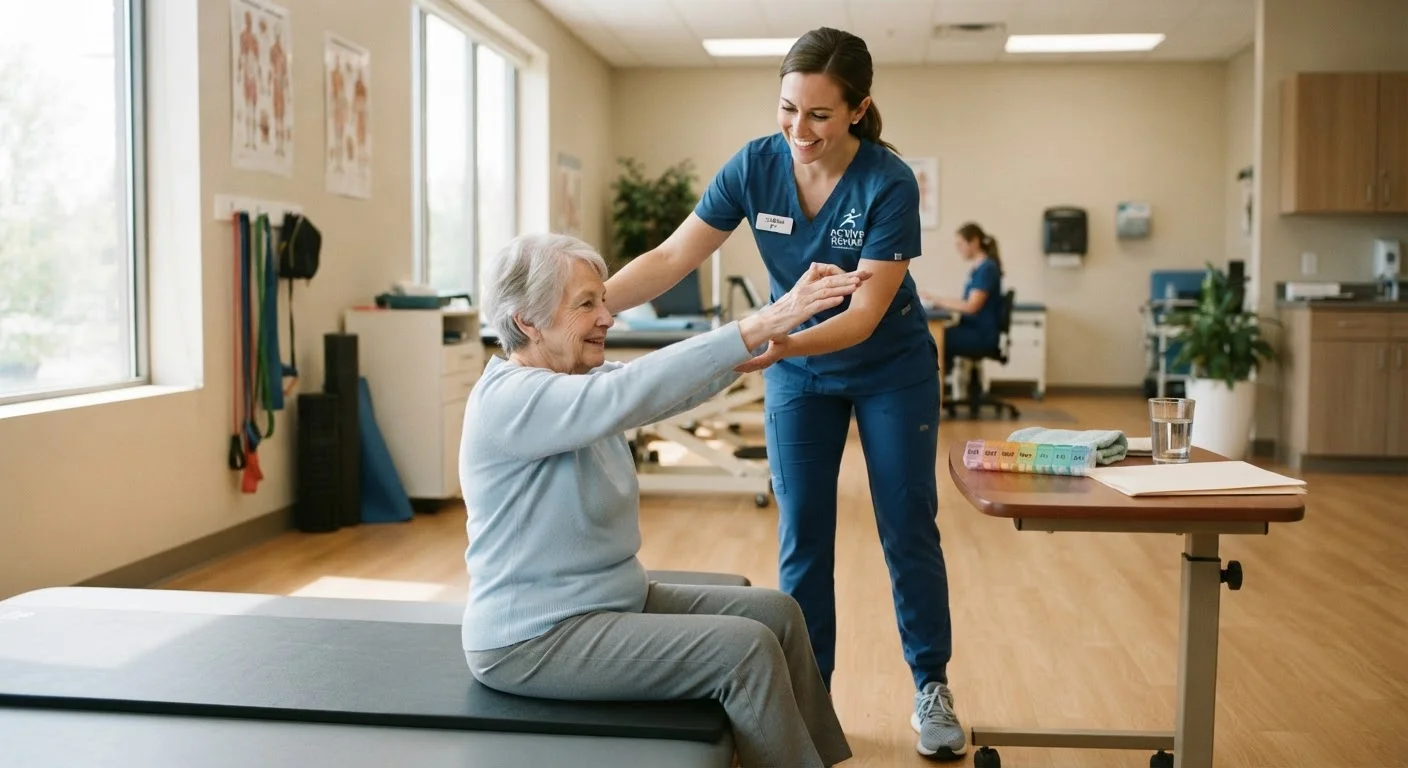
Physical therapy (PT) is a structured, clinician-guided intervention focused on restoring movement, building functional strength, and addressing the physical contributors to pain. A licensed physical therapist assesses how a person moves, identifies imbalances or compensatory patterns, and designs a targeted program to correct them.
For chronic pain specifically, PT may include manual therapy (hands-on techniques applied to joints and soft tissue), therapeutic exercise, neuromuscular re-education, and education about pain science. That last element — sometimes called pain neuroscience education — helps people understand why their nervous system may be amplifying pain signals, a phenomenon linked to central sensitisation (when the central nervous system becomes hypersensitive to pain input). Understanding these mechanisms can itself reduce fear-avoidance behavior, which is a recognized barrier to recovery.
PT does not provide immediate relief in most cases. It requires consistent participation over weeks to months, and progress can be gradual. However, research consistently supports PT as a durable, evidence-based intervention — particularly for musculoskeletal conditions such as low back pain, osteoarthritis, and post-surgical rehabilitation. For context on how PT compares with other movement-based options, see this breakdown of physical therapy versus general exercise classes.
Getting the Most From Physical Therapy
Consistency matters significantly in PT outcomes. Attending sessions is only part of the equation — home exercise programs assigned by your therapist are typically just as important. Communicate openly with your therapist about pain levels during and after sessions so the program can be adjusted appropriately to your tolerance and progress.
What Pain Medication Actually Does
Pain medications — a broad category that includes over-the-counter analgesics, prescription anti-inflammatories, nerve pain agents, muscle relaxants, and opioids — generally work by interrupting or dampening pain signals at various points in the nervous system. They do not repair damaged tissue or correct movement dysfunction; instead, they reduce the perceived intensity of pain.
This distinction matters. Medication can be critically important for enabling daily function, improving sleep (itself a major factor in pain — see the bidirectional relationship between sleep and chronic pain), and making participation in physical rehabilitation possible. For someone in severe pain, expecting them to complete PT exercises without adequate symptom control is neither realistic nor appropriate.
However, medication use carries its own considerations. Side effect profiles vary widely by drug class, and some medications — particularly opioids — carry risks of dependence when used long-term. Current clinical guidelines from major pain management bodies generally recommend opioids only after other approaches have been carefully considered, and always under close physician supervision. No medication decision should be made without individualized guidance from a qualified prescriber.
Never Adjust Medication Without Medical Guidance
Do not stop, reduce, or increase any prescribed pain medication on your own. Some medications — particularly opioids and certain nerve pain drugs — require carefully supervised tapering to avoid withdrawal or rebound effects. Always discuss any concerns about your medication with your prescribing clinician before making changes.
How the Two Approaches Work Together
For the majority of people with chronic pain, the most effective approach is not either/or — it's an integrated plan. Medication can lower pain levels enough that a person can meaningfully engage in physical therapy. PT, in turn, may improve function and reduce reliance on medication over time.
Clinical guidelines from organizations such as the American College of Physicians and the CDC increasingly emphasize multimodal (multi-approach) pain management. This typically includes physical, behavioral, and — where appropriate — pharmacological components working in parallel, not in competition.
The specific combination depends heavily on the nature of the pain. Neuropathic pain (arising from nerve damage), inflammatory pain, and mechanical musculoskeletal pain each respond differently to different interventions. Familiarizing yourself with the key terminology used in chronic pain diagnosis can help you better understand your treatment plan and ask more informed questions.
For condition-specific examples of how these approaches intersect, the article on osteoarthritis management illustrates how lifestyle and medical treatment each contribute to care.
This article is for general informational purposes only and does not constitute medical advice. Always consult a qualified healthcare professional before starting, stopping, or changing any treatment for pain or any other health condition.
The content on this site is for informational purposes only and is not a substitute for professional advice. Always consult a qualified professional for guidance specific to your situation.