
Our Verdict
Physical therapy and general exercise classes address fundamentally different needs. PT is the clinically appropriate choice when recovering from injury, surgery, or significant functional decline. Once cleared by a provider, structured group classes can complement and extend those gains. The right fit depends on where you are in your recovery — not a simple preference.
| Best for | Recommended |
|---|---|
| Those recovering from surgery, fracture, or acute injury | Physical Therapy |
| Older adults managing chronic but stable mobility limitations | Physical Therapy initially, then General Exercise Classes |
| Those cleared by a provider seeking to maintain strength and balance | General Exercise Classes |
| Anyone with undiagnosed pain or sudden functional decline | Physical Therapy (with physician referral) |
Two Distinct Approaches to Mobility
When mobility becomes limited — whether from a hip replacement, a fall, spinal stenosis, or years of sedentary patterns — the path back to independence isn't one-size-fits-all. Two options often come up: formal physical therapy (PT) and general group exercise classes. While both involve movement, they differ substantially in clinical depth, structure, and appropriate use.
Physical therapy is a licensed healthcare service. Therapists conduct individualized assessments, identify movement impairments, and design targeted interventions based on a specific diagnosis or functional goal. General exercise classes — from water aerobics to senior yoga — are fitness-oriented programs that promote overall health but are not designed to address clinical deficits.
Understanding this distinction helps older adults and their caregivers make informed decisions rather than defaulting to whichever option is more convenient or familiar. For related context on how exercise needs evolve with age, see how exercise needs shift as you age.
What Physical Therapy Offers
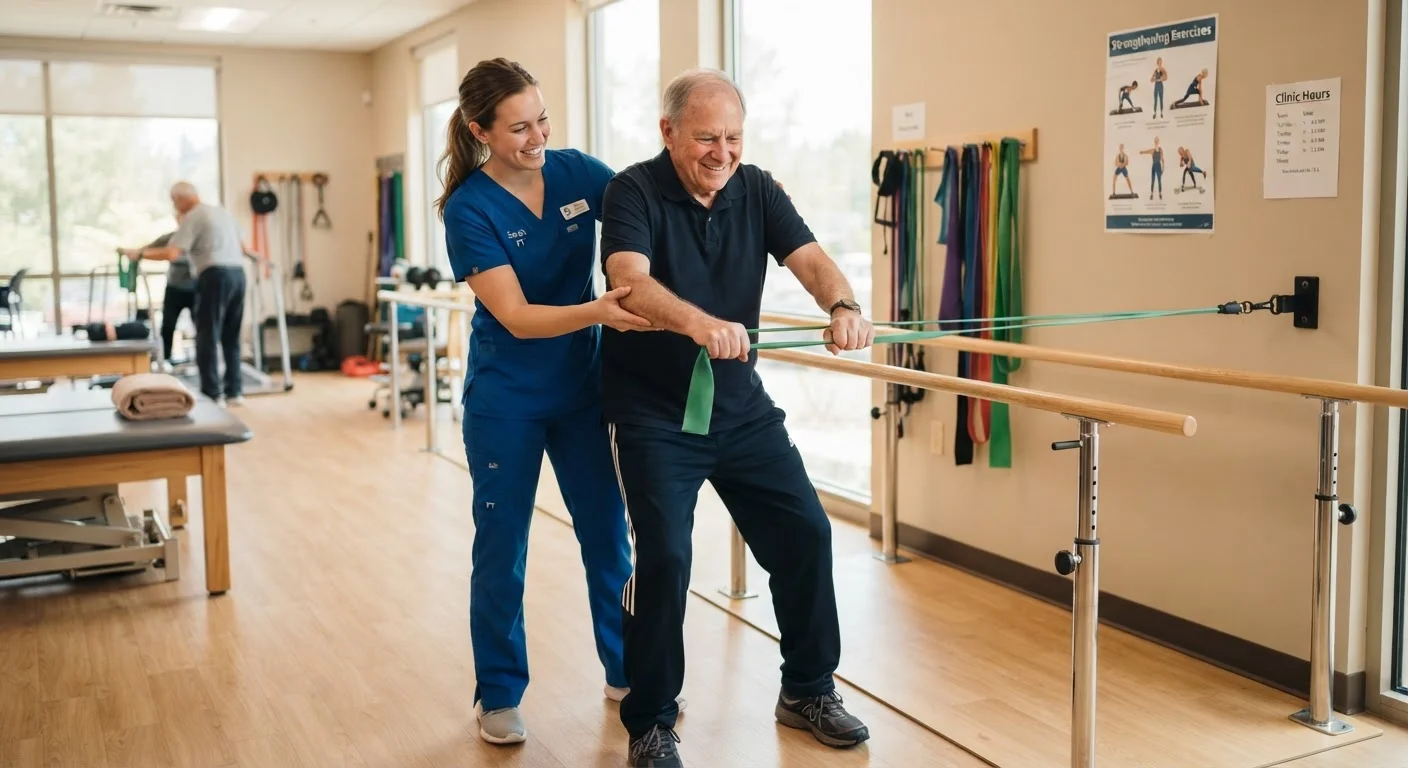
Physical therapists hold clinical degrees and are trained to evaluate musculoskeletal, neurological, and cardiopulmonary function. A PT evaluation goes beyond fitness — it identifies movement compensations, assesses pain triggers, and establishes a baseline for functional goals such as walking independently or safely ascending stairs.
Interventions are highly individualized. A program for someone recovering from total knee replacement will differ significantly from one designed for a person with balance deficits following a stroke. Therapists also progress exercises over time based on objective clinical markers, not general fitness milestones.
Ask Your PT for a Transition Plan
Before your physical therapy coverage ends, ask your therapist to recommend specific community or group programs suited to your current ability level. Many therapists can provide written guidance on exercise parameters — such as appropriate intensity ranges or movements to avoid — that class instructors can reference. This continuity reduces the risk of regression or reinjury when moving from clinical care to community fitness.
For conditions involving chronic pain — including musculoskeletal issues — the relationship between PT and other treatments matters. Physical therapy versus pain medication offers a clear breakdown of how each approach contributes to pain management.
Medicare and most insurance plans cover physical therapy when medically necessary, typically requiring a physician referral. The number of covered sessions varies by plan and diagnosis.
What General Exercise Classes Offer
Group exercise classes designed for older adults — such as SilverSneakers, tai chi, chair yoga, or community pool programs — provide structured movement in a social setting. Instructors may be certified fitness professionals, but they are not licensed to diagnose or treat medical conditions.
These classes excel at maintaining and gently building strength, balance, flexibility, and cardiovascular endurance in people who are already medically stable. Research consistently supports the value of regular physical activity for reducing fall risk, supporting joint health, and promoting mental well-being in older adults.
For those managing arthritis, for instance, appropriately selected movement programs can reduce stiffness and improve function. Navigating movement when arthritis is involved offers guidance on what to discuss with your care team before starting.
| Physical Therapy | General Exercise Classes | |
|---|---|---|
| Provider type | Licensed physical therapist (clinical degree) | Certified fitness instructor (non-clinical) |
| Individualization | Highly individualized, diagnosis-driven | Group format, general population |
| Assessment included | Formal functional and clinical evaluation | No clinical assessment |
| Appropriate for acute recovery | Yes — primary indicated approach | Generally not appropriate at acute stage |
| Insurance coverage | Often covered when medically necessary | Typically not covered by insurance |
| Social and motivational benefit | Limited — usually one-on-one or small group | Strong — community and peer support |
| Best stage of recovery | Acute, post-surgical, or significant deficit | Stable maintenance or prevention phase |
Sequencing Both Approaches for Recovery
For many older adults, these options work best in sequence rather than in competition. Physical therapy typically serves as the clinical foundation — addressing the specific deficit, reducing pain, and restoring safe movement mechanics. Once a therapist and physician determine that clinical goals have been met, transitioning to a supervised group class can help sustain and build on those gains.
Abruptly stopping structured movement after PT ends is a common and costly mistake. Functional improvements made in therapy can erode without continued activity. Active recovery versus passive rest explains why maintained movement — even gentle — serves a different biological purpose than complete rest.
The transition should be guided by your physical therapist, who can recommend class types, appropriate intensity levels, and modifications suited to your current abilities.
This article is for informational purposes only and is not a substitute for professional medical advice, diagnosis, or treatment. Always consult a qualified healthcare provider before beginning, modifying, or discontinuing any exercise or rehabilitation program.
The content on this site is for informational purposes only and is not a substitute for professional advice. Always consult a qualified professional for guidance specific to your situation.