What Research Tells Us About Walking and the Aging Body
Walking occupies a unique position among physical activities for older adults: it is simultaneously one of the most studied and one of the most universally accessible forms of movement. Decades of epidemiological research have examined how regular walking influences the body across multiple systems — and the findings are consistent enough that major health bodies, including the NIA and the CDC, now incorporate it into senior health guidance.
From a cardiovascular standpoint, regular moderate-intensity walking has been associated with lower resting blood pressure, improved cholesterol profiles, and reduced risk of heart disease. The heart is a muscle, and sustained rhythmic movement trains it to work more efficiently. For older adults, whose cardiovascular reserve typically narrows with age, this kind of low-load, sustained conditioning carries genuine clinical significance.
Bone health is another well-documented area. Walking is a weight-bearing activity, meaning the mechanical load transmitted through the skeleton during each stride stimulates bone-forming cells. Studies have linked habitual walking to higher bone mineral density at the hip and spine — sites particularly vulnerable to age-related loss and fracture.
150 min
Recommended weekly moderate activity for older adults
The CDC and WHO both recommend at least 150 minutes of moderate-intensity aerobic activity per week for adults aged 65 and over.
~30%
Reduction in cardiovascular disease risk with regular walking
A large meta-analysis published in the European Journal of Preventive Cardiology found that regular walking was associated with approximately 31% lower risk of cardiovascular events.
0.8 m/s
Gait speed threshold linked to higher fall risk
Research in geriatric medicine has identified walking speeds below approximately 0.8 metres per second as a marker of increased vulnerability to falls and hospitalisation.
For those interested in how exercise needs shift across the lifespan, our guide to movement through every decade offers useful context.
Walking, the Brain, and Emotional Wellbeing
The benefits of walking are not confined to the body below the neck. A growing body of research points to meaningful connections between regular walking and brain health in later life.
Aerobic exercise, including brisk walking, increases cerebral blood flow and is associated with modest increases in the volume of the hippocampus — a brain region critical to memory and learning that typically shrinks with age. While this research is promising, scientists are careful to note that associations observed in studies do not yet confirm that walking prevents dementia. It is best understood as one factor among several that may contribute to healthier cognitive aging. See our mental and cognitive health hub for a broader look at brain health strategies.
On the mood side, evidence is stronger. Regular physical activity — including walking — is associated with reduced symptoms of depression and anxiety in older adults. Walking outdoors in natural environments appears to offer additional psychological benefit, though indoor walking carries its own consistent value. The mechanism involves multiple pathways: improved sleep, increased social exposure, and neurochemical changes including shifts in serotonin and endorphin activity.
“Physical activity, including something as simple and accessible as walking, is one of the most powerful tools we have for compressing morbidity — keeping people not just alive longer, but functional and well for more of those years.”
— Robert Butler, Founding Director, National Institute on Aging; Pulitzer Prize-winning gerontologist
Gait Speed, Fall Risk, and Functional Independence
Among clinicians working with older adults, one humble metric has become a surprisingly powerful health indicator: how fast a person walks. Gait speed — typically measured over a four-metre course — is now used routinely in geriatric assessments because it reflects the integrated performance of the musculoskeletal, neurological, and cardiovascular systems simultaneously.
Research consistently finds that slower gait speed is associated with higher rates of falls, hospitalisation, and loss of independence. Conversely, older adults who maintain faster, steadier walking patterns tend to show better outcomes across multiple health domains. This does not mean walking faster is always the goal — it means preserving the capacity for confident, controlled movement matters profoundly.
Walking also directly addresses two of the key contributors to fall risk: lower-body muscle weakness and impaired balance. Each step requires coordinated engagement of the glutes, quadriceps, calves, and core, along with continuous balance adjustments. Over time, regular walking strengthens this neuromuscular system. For comparison, tai chi's role in fall prevention offers a different but complementary approach to balance training.
Start Small, Build Gradually
If you are new to regular walking or returning after a period of inactivity, beginning with 10-minute sessions is entirely appropriate. Gradual increases of five minutes per session over several weeks are generally well-tolerated and reduce the risk of overuse injuries. The goal is sustainable consistency, not rapid progression.
Home environments also play a significant role in translating walking capacity into real safety. Our article on building a safe home environment covers practical modifications that support daily movement.
Getting Started and Staying Consistent
One of the most important findings in walking research is that benefits are not reserved for those who have been active their entire lives. Studies have found meaningful health improvements in older adults who begin or resume regular walking in their 70s and beyond. The body retains a significant capacity to respond to movement at any age — a point worth emphasizing given how common the misconception is that it is "too late to start." Our article on exercise myths and aging addresses this and similar barriers directly.
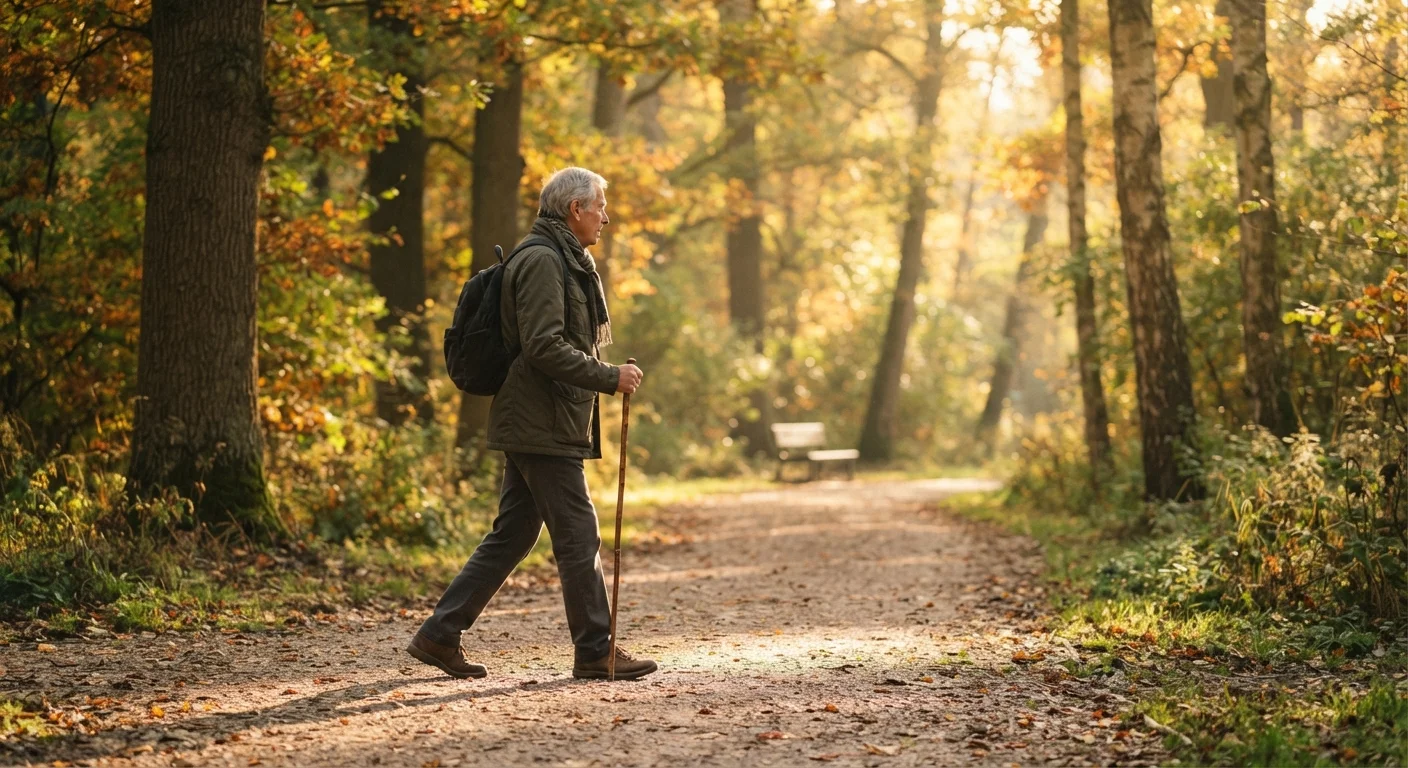
Consistency matters more than intensity for most older adults. A daily 20-minute walk at a comfortable, slightly challenging pace is more beneficial than occasional bursts of strenuous effort. Practical strategies that support consistency include walking at the same time each day, choosing routes that are safe and well-lit, wearing appropriate footwear, and — where possible — walking with a companion for both motivation and safety.
Reducing sedentary time is also important. Research shows that prolonged sitting carries independent health risks even among people who exercise. Breaking up long periods of sitting with short walks or standing periods has measurable effects. The science behind sedentary behaviour explores this topic in depth.
Walking Is Not a Universal Substitute
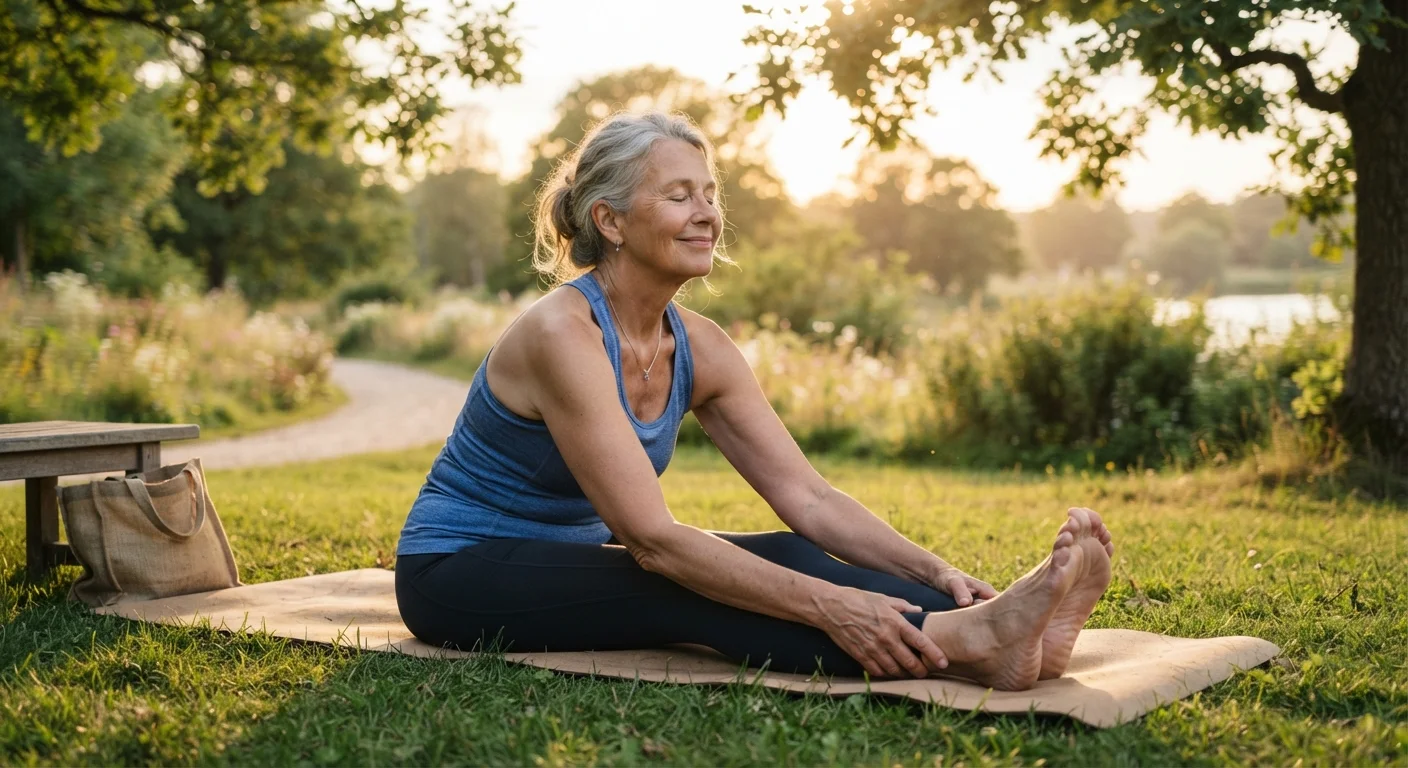
While walking delivers broad health benefits, it addresses aerobic conditioning and functional balance more than it does upper-body strength or flexibility. Most clinical guidelines recommend complementing walking with muscle-strengthening activities at least twice per week. Speak with a healthcare provider or physiotherapist to understand which combination of activities best suits your health status and goals.
This article is for general health information and educational purposes only. It does not constitute medical advice. Older adults — particularly those with existing health conditions — should consult their healthcare provider before starting or significantly modifying any exercise routine.
Frequently Asked Questions
Public health guidelines from the CDC and World Health Organization generally recommend at least 150 minutes of moderate-intensity aerobic activity per week for older adults, which brisk walking satisfies. This can be broken into shorter sessions of 10 to 30 minutes throughout the day. Even walking below this threshold provides health benefits compared to being sedentary.
Walking addresses aerobic fitness and some aspects of balance, but most guidelines also recommend muscle-strengthening activities on at least two days per week. For comprehensive health — including bone density and fall prevention — a broader movement routine that complements walking is generally advised. A healthcare provider or physical therapist can help design an appropriate program.
Several large observational studies have found associations between regular physical activity, including walking, and a reduced risk of cognitive decline and dementia. However, the evidence is not yet conclusive enough to state that walking prevents dementia outright. It is considered a promising protective factor as part of an overall healthy lifestyle.
Walking is generally considered a joint-friendly activity and is often recommended for people with osteoarthritis, as it can help maintain joint function and reduce stiffness. However, the appropriate intensity and duration depend on individual circumstances. Anyone with significant joint pain or a diagnosed condition should consult their healthcare provider before increasing activity.
Gait speed is a measure of how quickly a person walks over a short, standardized distance. Clinicians use it as a simple functional assessment because slower gait speed in older adults is consistently associated with higher risk of falls, hospitalization, and reduced life expectancy. Maintaining or improving gait speed through regular walking is considered a meaningful health goal.
The content on this site is for informational purposes only and is not a substitute for professional advice. Always consult a qualified professional for guidance specific to your situation.