

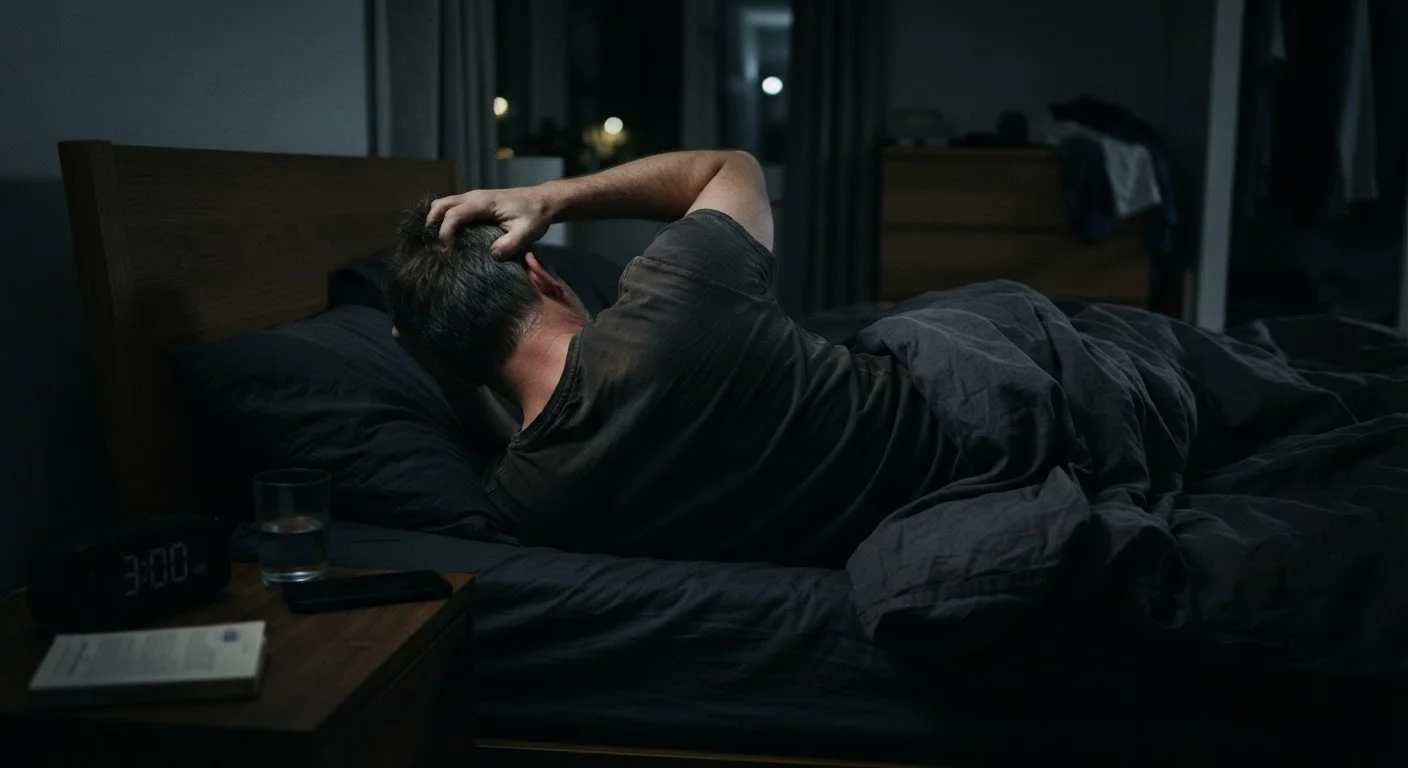
Why Men Are Disproportionately Affected
Sleep apnoea is not equally distributed across the population. Research consistently shows that men develop obstructive sleep apnoea at roughly two to three times the rate of women, a disparity rooted in both biology and behavior. Understanding why men are more vulnerable is the first step toward earlier recognition.
Anatomically, men tend to have larger necks, longer upper airways, and a greater concentration of soft tissue around the throat — all of which increase the likelihood that the airway will collapse during sleep. Fat distribution patterns also differ: men deposit more adipose tissue in the upper body, neck, and abdomen, regions that directly influence airway patency.
Hormonal factors add another layer. Testosterone is thought to reduce the tone of upper airway muscles, while progesterone — present at higher levels in women of reproductive age — may have a mild protective effect on breathing regulation during sleep. These biological differences do not fully explain the gap, but they are well-supported contributors.
2–3×
Higher OSA prevalence in men vs. women
Multiple large epidemiological studies, including the Wisconsin Sleep Cohort, have consistently documented this sex-based disparity in OSA diagnosis rates.
~1 billion
Adults estimated to have OSA globally
A 2019 analysis published in The Lancet Respiratory Medicine estimated approximately 936 million adults aged 30–69 have mild to severe OSA worldwide.
80%
Estimated proportion of moderate-severe OSA undiagnosed
Research cited by the American Academy of Sleep Medicine suggests the majority of clinically significant OSA cases in the general population remain undiagnosed.
Behavioral patterns compound the risk. Higher rates of alcohol use among men are relevant because alcohol relaxes pharyngeal muscles, worsening airway collapse. Smoking, which is still more prevalent in men, damages the airway lining and increases inflammation, further narrowing the passage during sleep.
Recognising the Pattern: Symptoms Beyond Loud Snoring
Most people associate sleep apnoea with a partner's complaint about snoring. While loud, disruptive snoring — often punctuated by choking or gasping sounds — is a hallmark symptom, it is far from the only one. Relying on snoring alone as a diagnostic threshold means many men with OSA go unrecognized, particularly those who sleep alone.
Daytime symptoms are frequently more revealing. Excessive daytime sleepiness, difficulty concentrating, irritability, and waking with a headache or dry mouth are all common presentations. These symptoms are often attributed to stress, demanding work schedules, or simply aging — explanations that delay seeking care. For men already experiencing mood changes, the overlap with conditions like depression can muddy the clinical picture further. See our article on depression in men for context on how these conditions can be mistaken for one another.
The fragmented sleep that OSA causes does not always result in conscious waking. Many men cycle in and out of light sleep hundreds of times without awareness, waking convinced they slept through the night yet feeling profoundly unrefreshed. This disconnect is one reason persistent fatigue is a symptom worth discussing with a doctor, not just pushing through.
Track More Than Just Snoring
If you sleep alone, consider tracking daytime symptoms — energy levels, morning headaches, and ability to concentrate — over a two-week period and sharing this log with your doctor. Wearable devices that monitor sleep patterns can also provide useful supporting data, though they are not a substitute for a clinical sleep study.
The Underdiagnosis Problem and Its Consequences
Despite being prevalent, OSA remains significantly underdiagnosed in men. Several structural and cultural factors drive this pattern. Men are statistically less likely to seek medical care proactively, more likely to normalize fatigue, and less likely to report sleep-related complaints to a physician. Delayed engagement with healthcare is a documented pattern in men's health broadly, and sleep disorders are no exception.
The consequences of untreated OSA extend well beyond poor sleep. Epidemiological research has linked the condition to hypertension, coronary artery disease, heart failure, atrial fibrillation, stroke, and type 2 diabetes. Chronic oxygen desaturation — the drop in blood oxygen that occurs during each apnoea — places sustained strain on the cardiovascular system. For men already managing chronic conditions, untreated OSA can worsen their trajectory.
There are also cognitive and psychological costs. Fragmented sleep impairs memory consolidation, attention, and executive function. Men with untreated OSA show elevated rates of mood disturbance and a measurable increase in accident risk — both on the road and in occupational settings.
Home Sleep Testing: A Lower-Barrier Option
Home sleep apnoea tests (HSATs) use portable monitoring devices worn overnight to measure breathing effort, airflow, and oxygen saturation. They are increasingly used for straightforward OSA evaluation in adults without significant comorbidities. However, an in-lab polysomnography remains the gold standard for complex cases. Your doctor can advise which approach is appropriate for your situation.
Diagnosis requires a formal sleep evaluation. Understanding how sleep studies work can help demystify the process for men who are hesitant to pursue one. Home sleep testing devices, now widely used, have lowered the barrier to evaluation considerably.
This article is for general informational purposes only and does not constitute medical advice. If you are concerned about sleep apnoea or any related symptoms, please consult a qualified healthcare professional.
Frequently Asked Questions
The most common cause is excess soft tissue around the throat narrowing the airway during sleep. Contributing factors include obesity, a larger neck circumference, alcohol use, and anatomical differences such as a recessed jaw or enlarged tonsils. Aging also reduces muscle tone in the airway, increasing risk.
Yes, though snoring is the most widely recognized symptom, not everyone with OSA snores loudly. Some people experience quiet, shallow breathing interruptions. Other signs — morning headaches, waking unrefreshed, or excessive daytime sleepiness — can indicate the condition even without disruptive snoring.
Diagnosis requires a sleep study, called a polysomnography, conducted either in a sleep lab or increasingly via an at-home monitoring device. A physician reviews the data to determine whether OSA is present and how severe it is. Self-reported symptoms alone are not sufficient for diagnosis.
Untreated OSA is associated with elevated risks of high blood pressure, atrial fibrillation, stroke, type 2 diabetes, and heart disease. It also impairs cognitive function and is linked to increased accident risk due to daytime drowsiness. Consulting a healthcare provider promptly is important if OSA is suspected.
Men tend to carry more fat in the upper body and neck, which can narrow the airway. Hormonal differences also appear to play a role — testosterone may reduce upper airway muscle tone, while progesterone in women may be somewhat protective. Structural airway differences between biological sexes are also a contributing factor.
The content on this site is for informational purposes only and is not a substitute for professional advice. Always consult a qualified professional for guidance specific to your situation.