

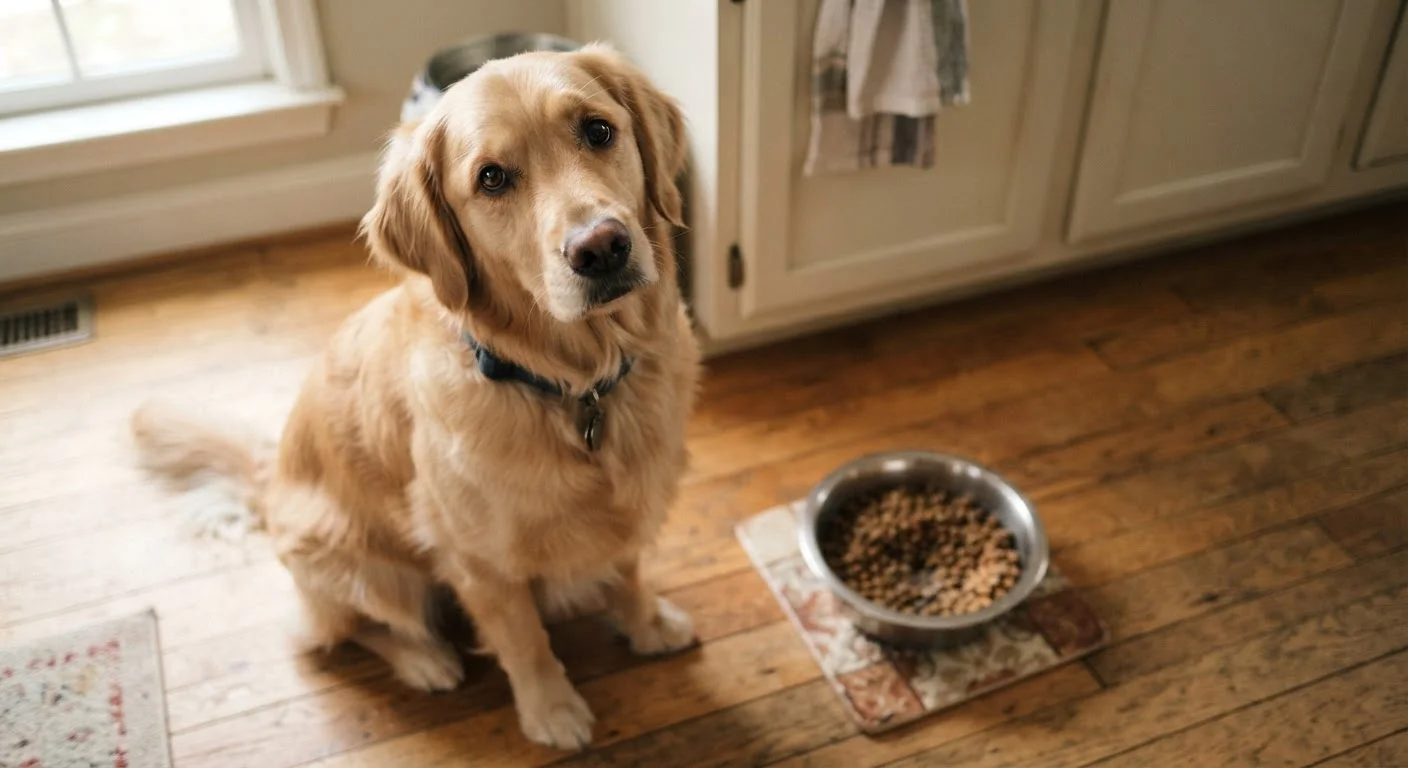
Not Every Skipped Meal Is a Crisis
It is natural to feel concerned the moment your dog or cat turns away from their bowl. But a single skipped meal, on its own, is rarely cause for alarm. Pets, like people, can have off days — mild nausea, a slightly upset stomach, or even just a warm afternoon can temporarily reduce appetite.
The key questions to ask are: How long has this been going on? and Are there other symptoms present? A pet that misses one meal but is otherwise playful, drinking water, and behaving normally is in a very different situation from one that has refused food for two days and seems lethargic or uncomfortable.
Understanding the range of possible causes — from the benign to the serious — helps you make confident, informed decisions about when to watch and wait versus when to call your veterinarian.
Cats and Dogs Respond Differently
Dogs are generally more resilient to short-term appetite loss than cats. A healthy adult dog missing a meal typically faces lower immediate risk than a cat in the same situation. Because cats' metabolism can shift toward dangerous fat mobilization within 48 hours of fasting, veterinary guidance recommends acting sooner when a cat refuses food — even if the cat seems otherwise calm.
Common Mild Causes of Appetite Loss
Many cases of short-term appetite loss have straightforward explanations that resolve on their own:
- Stress or anxiety: Environmental disruptions — a house move, a new baby, construction noise, or even a change in your own schedule — can suppress appetite in sensitive animals. Stress is a genuine medical concern for pets, not just a behavioral quirk.
- Food changes: Transitioning abruptly to a new diet or a new formula of the same food can cause reluctance to eat. Gradual transitions over 7–10 days are generally recommended. See our article on feeding habits that affect pet health for more guidance.
- Mild gastrointestinal upset: Eating something unusual, a minor stomach bug, or motion sickness can temporarily reduce appetite without indicating serious illness.
- Vaccinations: It is not unusual for pets to feel a little off and eat less for 24 hours following routine vaccines.
Keep a Simple Symptom Log
When your pet stops eating, jot down the date, how much was refused, any other symptoms you notice, and any recent changes at home (new food, new people, stress events). This brief log can be genuinely helpful when you speak with your veterinarian, allowing them to assess the situation more quickly and accurately.
Serious Causes That Require Veterinary Attention
Prolonged appetite loss — especially when accompanied by other symptoms — can signal conditions that need professional diagnosis and treatment:
~80%
Dogs over age 3 with signs of dental disease
The American Veterinary Medical Association notes that the majority of dogs show evidence of periodontal disease by age three, making oral pain a frequent but underrecognized driver of appetite changes.
48 hrs
Maximum safe fast for cats before liver risk
Veterinary guidelines broadly recognize that cats who do not eat for 48 or more hours are at elevated risk for hepatic lipidosis, regardless of their initial body weight.
- Dental and oral pain: A pet may want to eat but cannot do so comfortably. Dental disease is among the most common and overlooked conditions in dogs and cats, and oral pain is a leading cause of pseudo-anorexia.
- Gastrointestinal obstruction or disease: Foreign body ingestion, inflammatory bowel disease, or pancreatitis can cause significant appetite loss alongside vomiting or abdominal discomfort.
- Infections and fever: Bacterial, viral, or parasitic infections often suppress appetite as part of the body's immune response.
- Organ disease: Kidney disease, liver conditions, and diabetes can profoundly affect appetite. Senior pets are particularly vulnerable — our guide to age-related changes that warrant a vet call covers these shifts in depth.
- Cancer: Appetite loss is a common early sign of several cancers in both dogs and cats.
What to Do When Your Pet Won't Eat
Here is a practical approach to guide your response:
- Note the timeline: Record when your pet last ate normally and monitor closely. For cats, do not wait beyond 48 hours before contacting a veterinarian.
- Observe for other symptoms: Vomiting, diarrhea, lethargy, hiding, weight loss, excessive thirst, or signs of pain all warrant earlier veterinary contact.
- Check the food and bowl: Confirm the food has not spoiled, the bowl is clean, and no food change was made without a gradual transition.
- Avoid force-feeding or abrupt diet changes without veterinary guidance, as these can complicate diagnosis or cause additional problems.
- Call your vet: When in doubt, a quick call to your veterinary clinic is always the right move. They can help you assess whether your pet needs to be seen urgently or can be monitored at home.
For a broader look at how nutritional and health needs shift across your pet's life, see our article on pet health at every life stage.
This article is for general informational purposes only and is not a substitute for professional veterinary advice, diagnosis, or treatment. Always consult a qualified veterinarian regarding your pet's health.
Frequently Asked Questions
Most healthy adult dogs can go 24–48 hours without eating without immediate danger, though this varies by size and health status. Puppies, senior dogs, and dogs with chronic conditions need veterinary attention sooner. If your dog refuses food beyond 48 hours or shows other symptoms, contact your veterinarian.
Cats that stop eating for more than 48 hours can develop hepatic lipidosis (fatty liver disease), a potentially life-threatening condition where the body mobilizes fat stores too rapidly. This makes prompt veterinary evaluation especially important when a cat stops eating, even if the cat otherwise seems comfortable.
Yes. Changes such as moving to a new home, a new pet or family member, loud noises, or disrupted routines can suppress appetite in both dogs and cats. If eating resumes within a day or two after the stressor resolves, it is typically not a medical concern. Persistent stress-related appetite changes deserve veterinary attention.
Switching food abruptly is generally not recommended as a first response, since it can cause digestive upset and may mask an underlying health issue. If your pet has recently had a food change, that may be the cause. Consult your veterinarian before making dietary adjustments, especially if appetite loss persists.
Seek emergency care if your pet has not eaten for more than 48 hours, or sooner if they are also vomiting, lethargic, in apparent pain, losing weight rapidly, or are a kitten, puppy, or senior animal. These combinations of signs can indicate a condition requiring urgent diagnosis and treatment.
The content on this site is for informational purposes only and is not a substitute for professional advice. Always consult a qualified professional for guidance specific to your situation.