

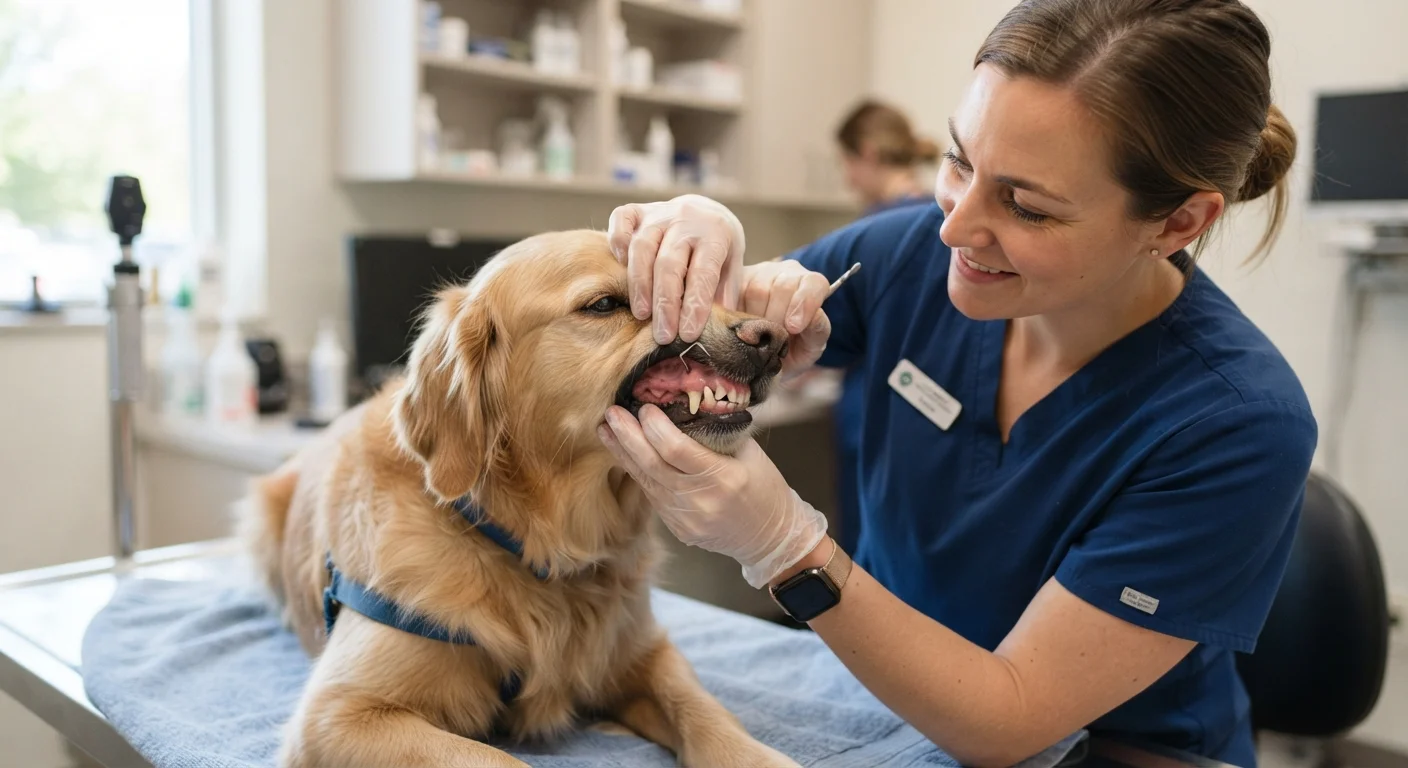
Why Dental Disease Goes Unnoticed for So Long
Pets are instinctively wired to hide discomfort. Even when gum inflammation is significant or a tooth is infected, most dogs and cats continue eating, playing, and behaving relatively normally — at least outwardly. This makes periodontal disease uniquely difficult for owners to detect without knowing what to look for.
The disease also progresses gradually. Plaque — a sticky film of bacteria — forms on tooth surfaces within hours of eating. If not removed, it mineralizes into hard tartar (calculus) within days. Over time, bacteria migrate beneath the gumline, triggering an immune response that damages the very tissues holding teeth in place. By the time a tooth is visibly loose or an owner notices their pet flinching while chewing, the disease has typically been advancing for months or years.
Understanding how pets mask pain is a valuable first step. Our article on reading your pet's body language explains the subtle behavioral shifts that may signal oral discomfort before obvious symptoms appear.
Dental Disease and Senior Pets
Older pets are at higher risk for advanced periodontal disease simply due to years of cumulative plaque exposure. However, concerns about anesthesia in older animals are often manageable with proper pre-operative bloodwork and monitoring. Discuss the risk-benefit balance with your veterinarian rather than declining dental care based on age alone. Our resource on age-related changes in senior pets covers when veterinary attention is especially important.
Recognizing the Signs: What to Look and Listen For
Because pets rarely cry out in dental pain, owners need to know what to observe during everyday interactions. The following signs can indicate that a veterinary dental evaluation is warranted:
- Persistent bad breath — not occasional, but ongoing and noticeably unpleasant
- Yellow or brown deposits on teeth, especially near the gumline
- Red, swollen, or bleeding gums when gently touched
- Drooling more than usual or pawing at the mouth
- Dropping food, chewing on one side only, or avoiding hard kibble or toys
- Changes in appetite — dental pain is a recognized but often overlooked cause of reduced food intake
Appetite changes in particular deserve attention. If your pet is eating less or showing reluctance at mealtimes, our guide on when a pet stops eating walks through the range of possible causes, including oral pain.
80%
Dogs showing dental disease by age 3
The American Veterinary Medical Association estimates that most dogs show signs of periodontal disease by their third birthday.
70%
Cats affected by age 3
Similarly, veterinary guidelines indicate that the majority of cats have some degree of periodontal disease by age three.
Grade 1–4
Standardized staging system used
The American Veterinary Dental College uses a four-grade scale to classify severity, with Grade 1 being reversible gingivitis and Grade 4 involving significant bone loss.
Prevention and Professional Care: What Actually Works
The most effective preventive measure is daily tooth brushing using a pet-safe toothpaste and a soft-bristled brush or finger brush. Establishing this habit early — ideally in puppyhood or kittenhood — makes the process far easier. Even pets introduced to brushing later in life can learn to tolerate it with patient, gradual conditioning.
Dental chews, water additives, and veterinary-approved dental diets can provide supplemental benefit, though none replace mechanical plaque removal through brushing. Look for products carrying the Veterinary Oral Health Council (VOHC) seal, which indicates independently verified efficacy.
Professional veterinary dental cleanings under general anesthesia remain essential. Only under anesthesia can a veterinarian safely probe below the gumline, take dental X-rays, and treat disease in areas invisible to the naked eye. Frequency depends on your individual pet's risk profile — your veterinarian is the best guide.
Start Dental Habits Early — But It's Never Too Late
Puppies and kittens that are gradually introduced to tooth brushing tend to accept it far more readily as adults. That said, older pets can learn to tolerate brushing with patience and positive reinforcement. Ask your veterinarian to demonstrate technique and recommend appropriately sized tools for your pet's mouth.
Diet also plays a supporting role in oral health. Certain feeding habits may accelerate plaque accumulation or deprive pets of the chewing action that naturally helps clean teeth. See our overview of feeding habits that undermine pet health for context.
This article is for general informational purposes only and does not constitute veterinary advice. Always consult a licensed veterinarian for guidance specific to your pet's health needs.
Frequently Asked Questions
Periodontal disease is extremely common. Studies and veterinary guidelines consistently indicate that the majority of dogs and cats show signs of it by age three. Small-breed dogs and flat-faced breeds tend to be especially prone due to tooth crowding.
Yes. Bacteria from infected gums can enter the bloodstream and have been associated with changes in heart, kidney, and liver tissue. Managing dental health is therefore part of broader preventive care, not just oral hygiene.
Veterinary dental organizations, including the American Animal Hospital Association, do not recommend anesthesia-free cleanings as a substitute for professional care. They cannot address disease below the gumline where most damage occurs, and they can be stressful and unsafe for the animal.
Persistent bad breath is often the first noticeable clue. Other early signs include visible yellow-brown tartar on teeth, red or swollen gum margins, and mild reluctance to chew hard food or toys.
Daily brushing is the gold standard recommended by veterinary dental experts. Even a few times per week provides meaningful benefit over no brushing at all. Use only toothpaste formulated specifically for pets, as human toothpaste contains ingredients that are harmful to animals.
If you notice bad breath, visible tartar, red gums, drooling, difficulty eating, or a sudden preference for soft food, schedule a veterinary evaluation. Do not wait for the next annual visit if symptoms are present.
The content on this site is for informational purposes only and is not a substitute for professional advice. Always consult a qualified professional for guidance specific to your situation.