

When Healing Doesn't Stop the Pain
Most people expect pain to follow a straightforward arc: injury occurs, the body repairs itself, pain fades. For tens of millions of Americans, that arc never completes. The injury heals — confirmed by scans, blood work, or a surgeon's assessment — yet the pain continues, sometimes intensifying. Understanding why this happens requires looking beyond tissue and into the nervous system itself.
Acute pain serves a vital purpose. It is the body's alarm system, signaling damage and prompting protective behavior. But sometimes the alarm doesn't switch off. When pain outlasts tissue healing — typically beyond three months — clinicians classify it as chronic pain, a condition now recognized as distinct from the injury that may have triggered it. If you've recently received this diagnosis, a grounded introduction to chronic pain can help clarify what the label means and what management generally involves.
The Nervous System in a Persistent State of Alarm
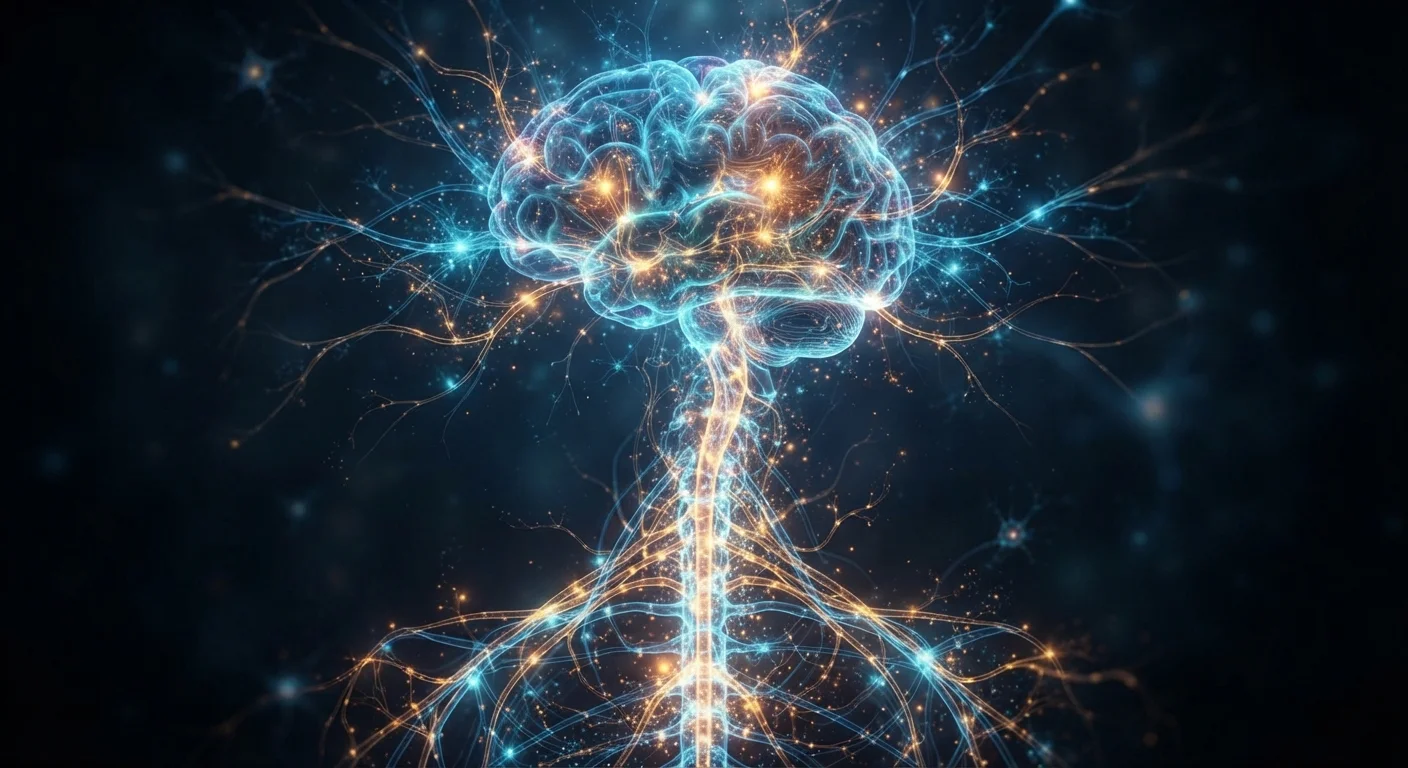
The core mechanism behind most persistent pain is central sensitization — a process in which the brain and spinal cord become hypersensitive to incoming signals. Think of it as the nervous system's gain being turned up too high: signals that would ordinarily produce mild discomfort are now amplified into significant pain, and sensations that should not cause pain at all can become painful.
This is not psychological weakness or exaggeration. Neuroimaging studies have documented structural and functional changes in the brains of people with chronic pain, including altered activity in regions involved in pain processing, attention, and emotional regulation. The nervous system is doing exactly what it has learned to do — it has simply learned incorrectly.
20.9%
U.S. adults living with chronic pain
According to the CDC's National Center for Health Statistics, approximately 1 in 5 U.S. adults reported chronic pain in a large national survey.
3–6 months
Timeframe for nervous system sensitization to develop
Clinical pain research suggests significant central sensitization changes can become established within months of a persistent pain trigger.
50%+
Chronic pain patients with co-occurring depression or anxiety
Research published in pain medicine literature consistently finds that mood disorders co-occur in more than half of individuals with chronic pain conditions.
Several biological factors drive this shift. Repeated or intense pain signals can strengthen synaptic connections along pain pathways, a process called long-term potentiation. Glial cells — immune-like support cells in the nervous system — can maintain a state of low-grade neuroinflammation that sustains the sensitized state. Meanwhile, the brain's descending pain-inhibition system, which normally dampens pain signals, may become less effective.
The Role of Inflammation and Other Contributing Factors
In some chronic pain conditions, ongoing low-grade inflammation continues to stimulate pain receptors even when the original injury site has structurally repaired. This is particularly relevant in conditions such as osteoarthritis, inflammatory bowel disease, and certain autoimmune disorders. Chronic inflammation and its relationship to pain is a complex topic worth understanding separately, as inflammatory processes can independently sustain pain signaling.
Beyond biology, the biopsychosocial model of pain — now central to clinical pain medicine — recognizes that psychological and social factors meaningfully shape pain experience. Catastrophizing, fear-avoidance behaviors, poor sleep, and untreated anxiety or depression all amplify nervous system sensitivity. This is not to say pain is "in someone's head" but that the brain is an organ, and its functional state influences every signal it processes. The mental health dimensions of persistent pain are closely intertwined with its neurological underpinnings.
Talk to Your Care Team About Pain Neuroscience
Research suggests that patients who understand the neurological basis of their pain — rather than believing it signals ongoing injury — often respond better to rehabilitation and report reduced fear around movement. Ask your healthcare provider whether pain neuroscience education is appropriate for your situation. This is not a replacement for other treatments but can complement a broader management plan.
What This Means for Managing Persistent Pain
Recognizing chronic pain as a nervous system condition — not merely an unresolved injury — changes how it is best approached. Treatments targeting tissue alone are often insufficient. Evidence-based management typically combines physical rehabilitation (which gradually reconditions movement patterns without triggering fear responses), pain neuroscience education (helping patients understand what is happening in their nervous system), psychological therapies such as cognitive behavioral therapy, and in some cases, carefully supervised pharmacological support.
Importantly, unmanaged chronic conditions — including persistent pain — can have compounding effects on overall health over time, affecting sleep, cardiovascular function, immune regulation, and mental well-being. Early, coordinated care offers the best opportunity to interrupt the cycle of sensitization.
“Chronic pain is not simply a symptom — it is a disease state in its own right, with its own mechanisms, consequences, and treatments. Understanding the neuroscience is essential to treating it effectively.”
— International Association for the Study of Pain, Global authority on pain research and clinical education
This article is for informational purposes only and does not constitute medical advice. If you are experiencing persistent pain, please consult a qualified healthcare professional for a thorough evaluation and personalized guidance.
Frequently Asked Questions
Yes. When the nervous system becomes sensitized, pain can be real and severe even without detectable tissue damage. Standard imaging and tests often appear normal in cases of central sensitization. This does not mean the pain is imagined — it reflects measurable neurological changes.
Pain is generally considered chronic when it persists beyond three months, which is roughly the expected healing period for most injuries. However, this threshold is a clinical guideline, not a hard biological rule. The transition from acute to chronic pain involves gradual nervous system changes.
Central sensitization is a neurological mechanism, while fibromyalgia is a clinical diagnosis characterized by widespread pain and often attributed in part to central sensitization. Not everyone with central sensitization has fibromyalgia, but central sensitization is considered a major driver of fibromyalgia symptoms.
Research suggests that with appropriate treatment — which may include pain neuroscience education, physical rehabilitation, cognitive behavioral therapy, and medication in some cases — the nervous system can become less sensitized. Improvement is possible, but outcomes vary and professional guidance is essential.
Anyone experiencing pain that lasts beyond the expected recovery time for an injury, or pain that has no clear cause, should consult a qualified healthcare professional. Early assessment can help identify contributing factors and prevent further nervous system changes.
The content on this site is for informational purposes only and is not a substitute for professional advice. Always consult a qualified professional for guidance specific to your situation.