

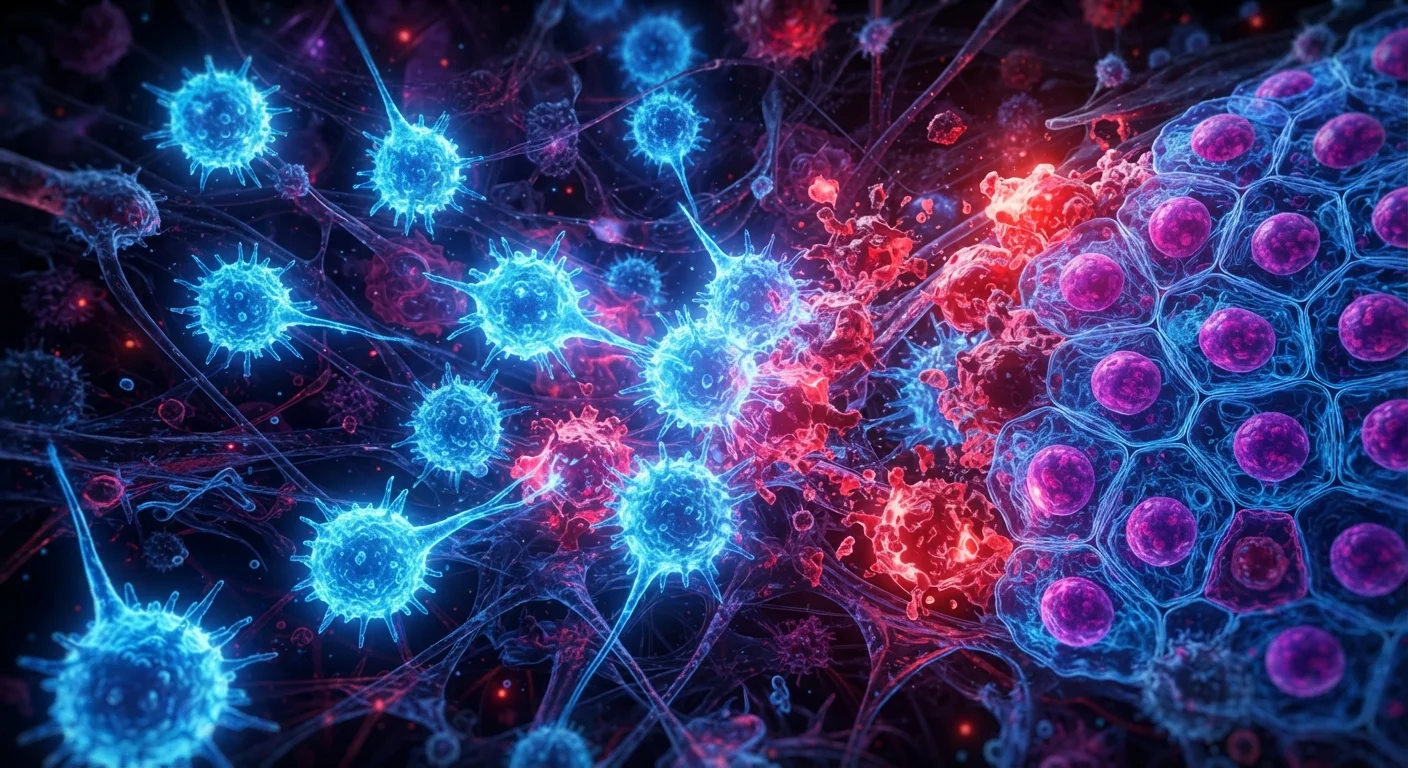
How a Protective System Becomes a Source of Harm
The immune system is one of the body's most sophisticated defenses, designed to detect and neutralize threats like bacteria, viruses, and abnormal cells. Central to this process is the ability to distinguish self — the body's own tissues — from non-self, foreign material that needs to be eliminated.
In autoimmune disorders, that critical distinction breaks down. Immune cells begin targeting the body's own healthy tissue as though it were a pathogen. The resulting inflammation and cellular damage can affect virtually any organ or system, depending on which tissues the immune response targets.
This misdirected attack is closely linked to chronic inflammation — a sustained immune response that continues even when no external threat is present. Understanding this connection is essential; see our overview of chronic inflammation for a deeper look at how prolonged immune activity damages tissue over time.
“Autoimmune diseases represent the immune system's failure of self-tolerance — the mechanisms that normally prevent the body from attacking its own tissues break down, and the resulting inflammation is often chronic and wide-ranging.”
— National Institute of Allergy and Infectious Diseases, U.S. federal institute for research on immune system diseases
Why the Immune System Turns on Itself
Researchers have not identified a single cause for autoimmune disorders, but the evidence consistently points to an interplay of genetic and environmental factors. Having a family member with an autoimmune condition increases risk, yet genetics alone do not determine outcome — many genetically predisposed individuals never develop a disease.
Environmental triggers that may contribute include:
- Infections: Certain viral or bacterial infections may initiate molecular mimicry, where immune cells trained to fight a pathogen accidentally target structurally similar proteins in the body's own tissues.
- Hormonal fluctuations: Autoimmune conditions are significantly more common in women, and disease onset or flares often coincide with hormonal transitions such as puberty, pregnancy, or menopause.
- Chronic stress and microbiome disruption: Emerging research links gut health and stress responses to immune regulation, though these relationships are still being characterized.
80%
Autoimmune disease cases occurring in women
The American Autoimmune Related Diseases Association (AARDA) estimates that approximately 80% of people living with autoimmune conditions in the U.S. are women.
50 million
Americans affected by autoimmune disease
AARDA estimates that autoimmune diseases collectively affect around 50 million Americans, making them a leading cause of chronic illness in the country.
80+
Recognized distinct autoimmune conditions
The National Institutes of Health (NIH) recognizes more than 80 distinct autoimmune diseases, with additional conditions suspected to have autoimmune components.
Because multiple factors converge, onset can be gradual and initially attributed to unrelated causes, making early recognition challenging.
A Spectrum of Conditions, a Common Mechanism
Over 80 distinct autoimmune conditions have been classified, each defined by which tissues or organs the immune system targets. Despite their differences in presentation, all share the core mechanism of immune self-attack.
- Rheumatoid arthritis (RA)
- Immune cells attack the synovial lining of joints, causing painful inflammation, swelling, and progressive joint damage.
- Systemic lupus erythematosus (SLE)
- A multi-system disease affecting skin, kidneys, joints, and the cardiovascular system; characterized by unpredictable flares and remissions.
- Hashimoto's thyroiditis
- The immune system attacks the thyroid gland, gradually impairing its ability to produce hormones and leading to hypothyroidism.
- Multiple sclerosis (MS)
- Immune cells degrade the myelin sheath surrounding nerve fibers, disrupting nerve signal transmission and causing a range of neurological symptoms.
- Type 1 diabetes
- Immune destruction of insulin-producing beta cells in the pancreas requires lifelong insulin management.
The breadth of this list underscores why no single specialist manages all autoimmune conditions — care is typically coordinated by rheumatologists, neurologists, endocrinologists, or other relevant specialists depending on the organs involved.
Track Symptoms Before Your Appointment
Autoimmune symptoms are often intermittent and easy to underreport during a brief clinical visit. Keeping a simple daily log of pain levels, fatigue, and notable changes helps your care team identify patterns and make more accurate assessments. Note what you ate, your sleep quality, and any stressors — these details can be relevant to diagnosis and management.
Living With an Autoimmune Condition
For most people, an autoimmune diagnosis marks the beginning of long-term disease management rather than a one-time treatment course. Goals typically include reducing inflammation, protecting affected organs, managing symptoms, and preserving quality of life.
Treatment approaches vary widely by condition but may include immunosuppressive medications, anti-inflammatory therapies, hormone replacement, or targeted biologics. Lifestyle factors — including sleep, physical activity, and stress management — are also recognized as meaningful contributors to symptom stability, though they are not substitutes for prescribed medical care.
Missteps in self-management are common, particularly in the early years after diagnosis. Our article on common pitfalls in managing an autoimmune diagnosis covers the most frequent errors patients encounter, from delaying specialist referrals to misinterpreting symptom patterns.
Left unmanaged, autoimmune conditions can lead to cumulative organ damage over time. For a broader view of how chronic conditions progress without consistent care, read about what happens when chronic conditions go unmanaged.
This article is for general informational purposes only and does not constitute medical advice. Anyone experiencing symptoms or managing a diagnosed condition should consult a qualified healthcare professional.
Frequently Asked Questions
Most autoimmune disorders are currently managed rather than cured. Treatments aim to suppress the abnormal immune response, reduce inflammation, and protect affected organs. Some individuals achieve long periods of remission with appropriate care, but the underlying immune dysfunction typically persists.
No single cause is established, but research points to a combination of genetic susceptibility and environmental factors such as infections, hormonal changes, or prolonged stress. In many people, a specific triggering event appears to initiate immune dysregulation in those already predisposed.
Among the most prevalent are rheumatoid arthritis, lupus, multiple sclerosis, type 1 diabetes, Hashimoto's thyroiditis, and inflammatory bowel disease. Each condition targets different tissues but shares the underlying mechanism of immune self-attack.
Hormonal and genetic differences are thought to play a role, as estrogen appears to amplify certain immune responses. Women's X chromosomes carry more immune-regulating genes, and fluctuations across the reproductive lifespan may influence disease onset or flares.
Diagnosis typically involves a combination of blood tests (such as autoantibody panels), imaging, physical examination, and review of symptoms over time. Because symptoms often overlap with other conditions, diagnosis can take months to years and usually requires a specialist.
The content on this site is for informational purposes only and is not a substitute for professional advice. Always consult a qualified professional for guidance specific to your situation.