

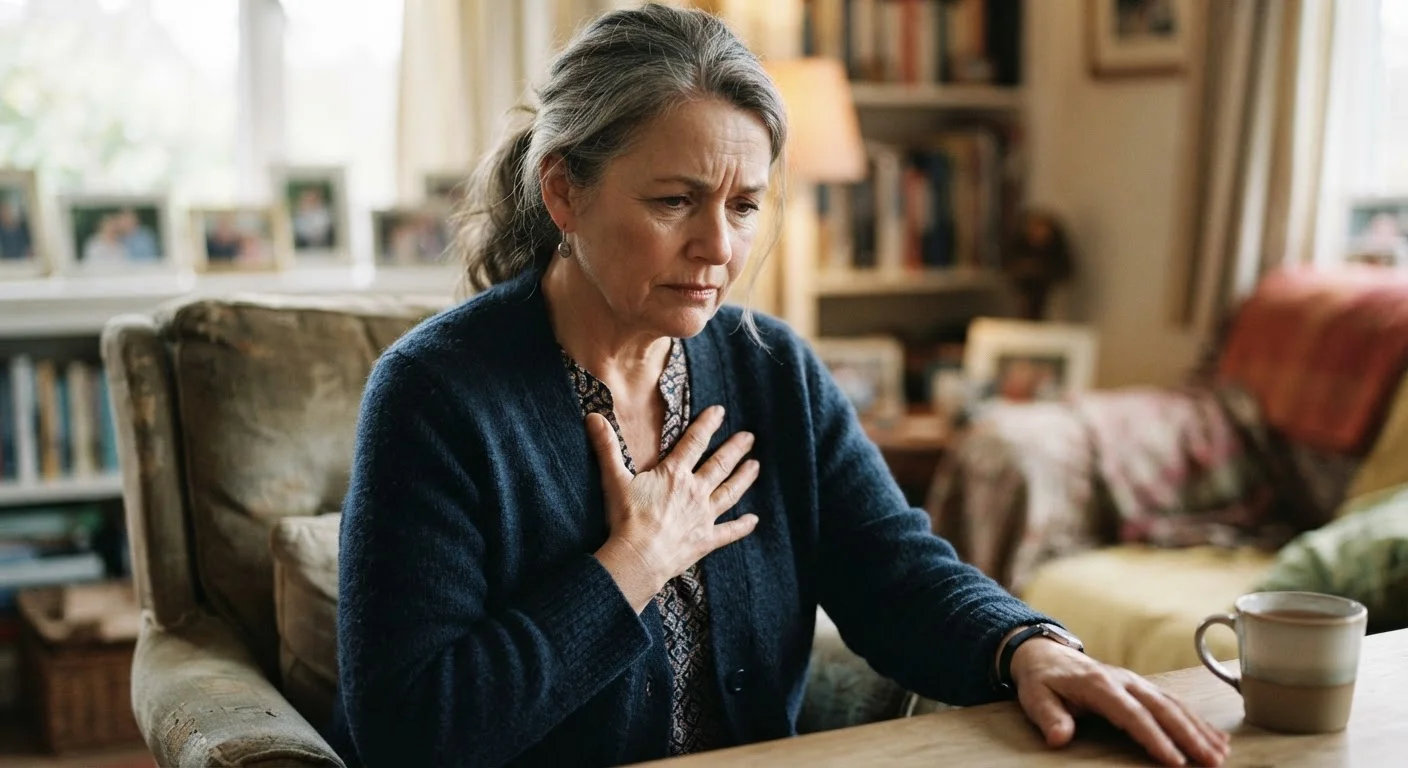
Why Heart Attack Symptoms Get Ignored
Most people picture a heart attack as a sudden, unmistakable event — crushing chest pain, a dramatic collapse. In reality, the American Heart Association notes that symptoms are often gradual, mild, and easily attributed to something less serious. This misperception contributes to dangerous delays in seeking emergency care.
Certain groups are at particular risk of misreading cardiac signals. Women frequently experience symptoms that diverge from the "classic" presentation taught in popular culture. People with diabetes may have reduced pain sensitivity due to nerve damage, meaning their warning signs can be especially muted. Older adults may attribute symptoms to aging or existing conditions. Understanding which signals to take seriously — regardless of how minor they seem — can be lifesaving.
The list below covers seven commonly dismissed heart attack warning signs. This article is general health information and not a substitute for professional medical advice. If you believe you or someone nearby is having a heart attack, call 911 immediately. Common misconceptions about heart disease may also be contributing to delayed recognition — it is worth examining what the evidence actually shows.
Atypical Presentations Are Not Rare
Research published in journals including Circulation has consistently shown that a significant proportion of heart attacks — particularly among women — do not involve chest pain at all. Atypical presentations are not the exception; they are a well-documented pattern. Healthcare providers are trained to evaluate cardiac risk even when the symptom picture does not fit the textbook description.
Seven Subtle Warning Signs to Take Seriously
Unusual or Unexplained Fatigue
Feeling profoundly tired — particularly when it comes on without a clear cause or feels different from ordinary tiredness — can signal that the heart is working harder than it should. This symptom is especially common in women in the days or weeks before a heart attack. It is frequently attributed to poor sleep, stress, or a busy schedule.
Unexplained exhaustion, especially in women, can precede a heart attack by days.
Discomfort in the Jaw, Neck, or Back
Pain or pressure that radiates to the jaw, left shoulder, neck, or upper back is a recognised cardiac symptom, yet it is routinely mistaken for a dental problem, muscle tension, or a pinched nerve. These sensations occur because the nerves that supply the heart share pathways with those in the upper body, causing referred pain far from the chest.
Jaw or back pain with no obvious physical cause can reflect referred cardiac distress.
Nausea, Indigestion, or Stomach Pain
Gastrointestinal symptoms — including nausea, vomiting, or a persistent feeling of indigestion — can accompany a cardiac event, particularly in women. Because these symptoms so closely mimic a stomach upset or acid reflux, they are one of the most commonly dismissed presentations. If nausea appears alongside any other cardiac warning signs, seek emergency evaluation.
Nausea paired with other subtle symptoms should never be written off as just an upset stomach.
Shortness of Breath Without Exertion
Difficulty breathing while at rest, lying down, or performing minimal activity — especially when it is new or worsening — can indicate that the heart is not pumping efficiently. This symptom may occur with or without chest discomfort. Because breathlessness overlaps with so many other conditions, it is easy to attribute to anxiety, deconditioning, or a respiratory issue. Respiratory symptoms are notoriously easy to misread, which is why cardiac causes must be considered.
Breathlessness at rest — with no obvious cause — warrants urgent cardiac evaluation.
Cold Sweats or Lightheadedness
Breaking into a cold sweat without physical effort, or feeling suddenly dizzy or faint, can be the body's response to inadequate blood flow to the brain during a cardiac event. These signs are often attributed to anxiety, low blood sugar, or overheating. When they occur alongside other warning signs, they should prompt an immediate call to emergency services.
Sudden cold sweats and dizziness together are a warning combination that should not be ignored.
Pressure, Squeezing, or Tightness in the Chest
While chest pain is the most recognised symptom, it does not always feel like sharp, intense pain. Many people describe it as pressure, squeezing, fullness, or tightness — sensations they may dismiss as muscle tension or heartburn. The discomfort may come and go, or feel mild enough to push through. Any persistent or recurring chest tightness warrants prompt medical attention rather than a wait-and-see approach.
Chest tightness and pressure — not just sharp pain — are classic cardiac warning signs.
A Sense That Something Is Wrong
Some individuals report an indescribable feeling of impending doom or that something is seriously wrong, even when they cannot name a specific symptom. While this may sound vague, clinicians take it seriously as a reported precursor to cardiac events. Trusting this signal and seeking evaluation rather than waiting for a "more obvious" symptom can be the decision that makes the difference.
A persistent sense that something is seriously wrong should always prompt a call for help.
Know Your Personal Risk Profile
Factors such as high blood pressure, high cholesterol, type 2 diabetes, smoking, obesity, and a family history of heart disease increase the likelihood of a cardiac event. Discussing your individual risk with a healthcare provider allows for targeted monitoring and prevention. Even if symptoms seem mild, your risk profile should inform how quickly you seek care.
When to Act and What to Expect
If you experience any combination of the symptoms described above — even without classic chest pain — do not drive yourself to the hospital or wait to see if they pass. Call 911 so emergency responders can begin evaluation and treatment en route. Time from symptom onset to treatment is one of the strongest predictors of outcome in a cardiac event.
Men who tend to minimise physical symptoms face a particularly elevated risk of delayed care. Recognising warning signs men tend to dismiss as minor explores this pattern in more detail. It is also worth understanding the difference between a heart attack and other cardiac emergencies — heart failure and heart attack are often confused, especially among older adults.
This article is for informational purposes only and does not constitute medical advice, diagnosis, or treatment. Always consult a qualified healthcare professional regarding any medical symptoms or conditions.
The content on this site is for informational purposes only and is not a substitute for professional advice. Always consult a qualified professional for guidance specific to your situation.