

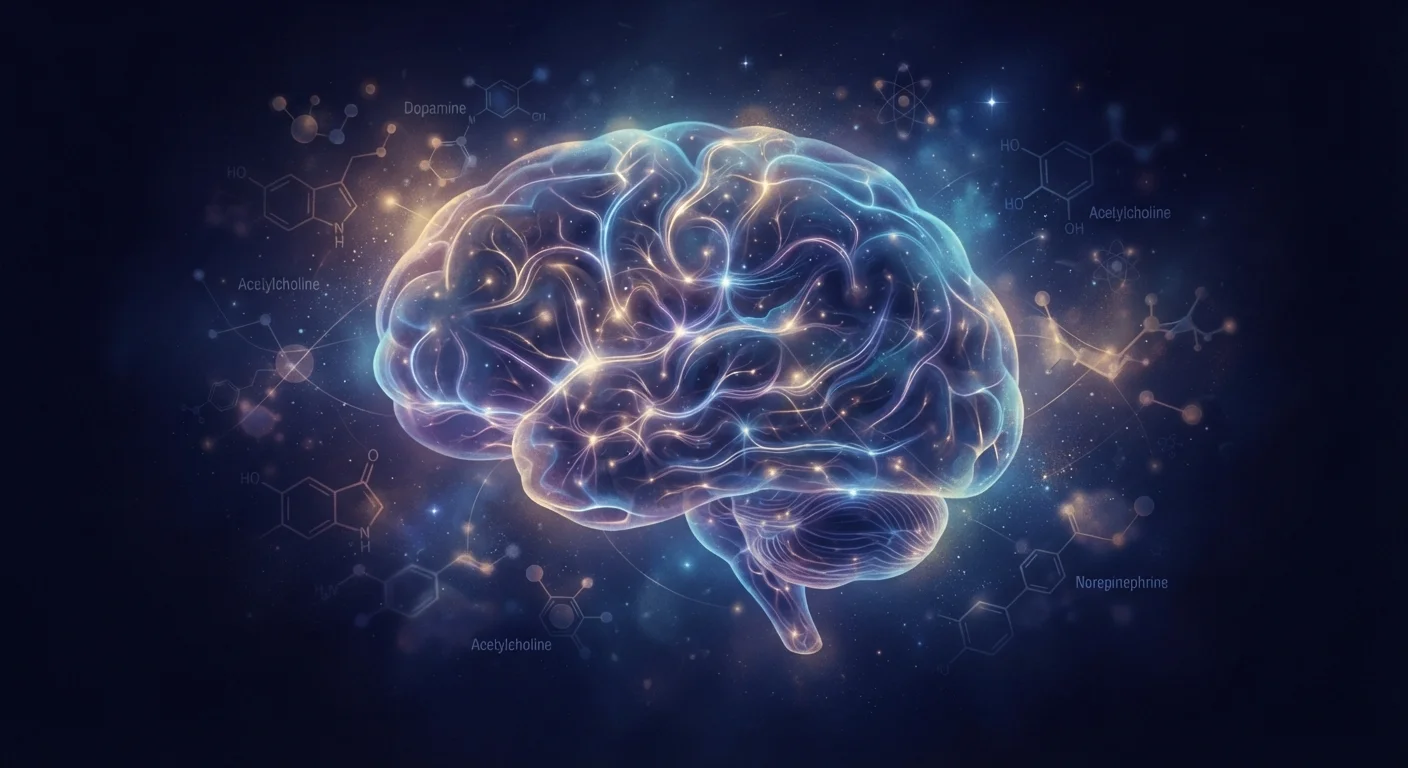
Your Brain Is Always Regulating How You Feel
Most of us have experienced days when everything feels heavier than it should — when motivation disappears and the world seems muted. It's tempting to dismiss this as "just being in a bad mood," but what's actually happening is far more intricate. Your brain is continuously running a sophisticated emotional management system, and understanding it can reduce the shame that often accompanies feeling low.
Mood is not stored in one brain region or controlled by one chemical. Instead, it emerges from the interaction of several neural circuits, chemical messengers, and hormonal signals working together — or, sometimes, working against each other.
Low Mood Is Not a Character Flaw
The biology of mood is real and measurable. When neurotransmitter systems or hormonal signals are disrupted, feeling low is a predictable result — not a sign of weakness or failure. Recognizing the biological dimension of emotional experience is often the first step toward seeking appropriate support and reducing self-blame.
The Key Players: Neurotransmitters and What They Do
Neurotransmitters are chemical signals that neurons use to communicate. Several are closely tied to mood:
- Serotonin contributes to feelings of calm and emotional stability. Low serotonin activity has been associated with depressed mood and anxiety, though researchers now understand this relationship is more complex than a simple "low serotonin = depression" equation.
- Dopamine is central to motivation, reward, and the anticipation of pleasure. When dopamine signaling is blunted, activities that once brought joy may feel flat — a phenomenon clinicians call anhedonia.
- Norepinephrine affects alertness and energy. Imbalances are associated with both low mood and anxiety disorders.
- GABA is the brain's primary calming neurotransmitter. When GABA activity is reduced, the nervous system can become overactivated, contributing to anxiety and emotional dysregulation.
~40%
Mood disorder risk linked to genetic factors
Research suggests roughly 40% of the risk for major depression is heritable, with the remaining risk shaped by environment and experience, according to large twin studies.
30 min
Exercise duration associated with mood benefits
Studies published in peer-reviewed journals indicate that approximately 30 minutes of moderate aerobic activity several times per week is associated with meaningful reductions in depressive symptoms.
It's worth noting that neurotransmitter systems are deeply interconnected. Targeting one — as some medications do — inevitably influences the others, which is part of why mood disorders can be complex to treat.
Stress Hormones and the Cortisol Connection
The adrenal glands release cortisol in response to stress — a short-term survival mechanism. In acute situations, this is helpful. But when stress is chronic, cortisol levels stay elevated, and this has measurable effects on the brain. Prolonged high cortisol can reduce the volume of the hippocampus, the brain region involved in memory and emotional context, and suppress serotonin production.
This is one reason that sustained life stress is a significant risk factor for depression and anxiety. Sleep quality plays a major role here, too — poor sleep elevates cortisol and disrupts the overnight hormonal reset the brain relies on. For a deeper look at this relationship, see how sleep interacts with stress hormones.
Protect Your Sleep to Support Your Mood
Prioritizing consistent, restorative sleep is one of the most evidence-supported ways to keep cortisol in check and support neurotransmitter balance overnight. Even modest improvements in sleep quality — like a consistent bedtime or reducing screen exposure before bed — can have a measurable impact on how you feel the next day. If sleep disruption is significant or persistent, discuss it with your healthcare provider.
Hormones, Life Stages, and Emotional Shifts
Beyond cortisol, reproductive hormones — particularly estrogen and progesterone — exert considerable influence over mood-regulating systems. Estrogen, for instance, supports serotonin receptor sensitivity. When estrogen fluctuates or drops, as it does during the premenstrual phase, postpartum period, or menopause, mood shifts can follow.
This is a biological reality, not a personal weakness. The emotional and cognitive effects of menopause are well-documented, and so are the hormonal roots of anxiety in women. Understanding these mechanisms helps validate experiences that are too often minimized.
What You Can Do to Support Your Brain's Mood System
While this article is general health information — not a substitute for professional medical advice — research consistently identifies several lifestyle factors that support mood regulation:
These everyday inputs matter more than many people realize. Everyday habits that shape emotional health explores the evidence behind daily patterns in more depth.
If you're experiencing persistent low mood, emotional numbness, or symptoms that are affecting your daily life, please reach out to a qualified healthcare professional. What you're feeling has real biological underpinnings, and effective support exists.
This article is for informational and educational purposes only and does not constitute medical advice, diagnosis, or treatment. Always consult a qualified healthcare professional with questions about your mental or physical health.
Frequently Asked Questions
Low mood often reflects disruption in neurotransmitter activity, hormonal fluctuations, or stress-related changes in brain circuit function. It is rarely caused by one single factor. Sleep deprivation, chronic stress, inflammation, and hormonal shifts can all contribute. A healthcare provider can help identify what's driving persistent low mood.
Not necessarily. Low mood is a normal human experience that typically resolves with rest, connection, or a change in circumstances. Clinical depression involves persistent symptoms — lasting two weeks or more — that significantly affect daily functioning. Only a qualified clinician can diagnose depression.
Yes, meaningfully so. Regular physical movement, consistent sleep, and social interaction have all been shown in research to influence neurotransmitter activity and reduce cortisol levels. These are not cures, but they are evidence-supported supports for emotional wellbeing.
Estrogen and progesterone influence serotonin and GABA systems in the brain, so fluctuations across the menstrual cycle, postpartum period, or menopause can meaningfully shift mood. This is a real biological phenomenon, not a character flaw. Speaking with a doctor can help identify hormonal contributors.
If low mood persists for more than two weeks, interferes with daily life, or is accompanied by thoughts of self-harm, seeking support from a healthcare professional is strongly recommended. Early intervention tends to lead to better outcomes.
The content on this site is for informational purposes only and is not a substitute for professional advice. Always consult a qualified professional for guidance specific to your situation.