

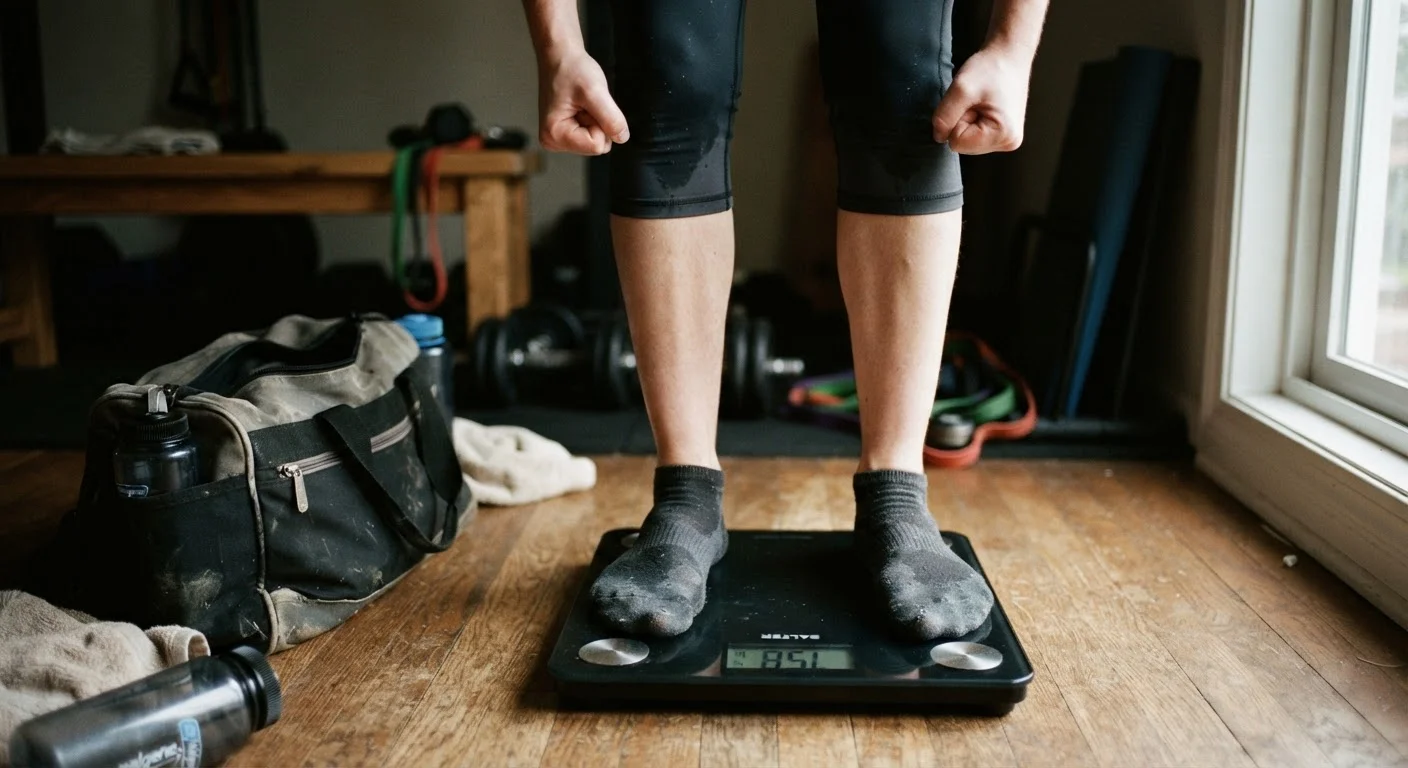
The Gap Between Effort and the Scale
Starting or intensifying an exercise program is one of the most positive steps anyone can take for their health. Yet a common and deeply frustrating experience follows: weeks of consistent effort with little to no change on the scale. Understanding why this happens — and what it actually means — can be the difference between building a lasting habit and giving up prematurely.
Exercise influences body weight through several competing physiological forces simultaneously. Caloric expenditure increases, but so can appetite. Muscle tissue is built or maintained, which is denser than fat. Inflammation from muscle repair temporarily draws water into tissues. These factors don't cancel out the benefits of exercise — they simply mean the scale is a poor narrator of a complex story.
For a broader look at how common fitness beliefs fall short of the evidence, see fitness myths that persist despite the evidence.
Weight Is Not the Only Health Metric
Body weight fluctuates daily due to hydration, digestion, hormonal cycles, and more. Relying solely on the scale to judge the effectiveness of an exercise program can be misleading and discouraging. Improvements in blood pressure, energy, sleep quality, and cardiovascular fitness are meaningful health gains that a scale cannot capture.
Common Mistakes That Undermine Weight Loss Expectations
Most people approach exercise with sincere effort but fall into predictable thinking errors about how and when the body changes. These aren't character flaws — they stem from widespread misconceptions about metabolism, recovery, and what weight actually measures. Identifying these patterns is the first step toward correcting them.
Expecting rapid weight loss within the first few weeks of a new exercise routine.
Why it happens: Popular fitness messaging often implies quick, dramatic results, creating unrealistic timelines for what exercise can realistically achieve.
Compensating for exercise by eating significantly more or moving less the rest of the day.
Why it happens: Intense workouts increase appetite, and many people unconsciously reward themselves with larger meals or more sedentary time after exercising, effectively canceling out the caloric deficit.
Attributing all scale increases to fat gain and ignoring muscle and water weight changes.
Why it happens: Most people measure progress exclusively through body weight, which conflates several distinct physiological changes happening simultaneously.
Dramatically increasing exercise volume without adjusting recovery or sleep.
Why it happens: The 'more is better' mindset pushes people to add more sessions or intensity rapidly, unaware that recovery is when adaptation — including metabolic improvements — actually occurs.
Doing the same workout repeatedly without any variation or progression.
Why it happens: Familiarity feels comfortable, and many people stick with what they know rather than introducing new stimuli that challenge the body in different ways.
Don't Let Frustration Lead to Quitting
One of the most common responses to a stalled scale is abandoning exercise altogether. This decision forfeits substantial health benefits that have nothing to do with body weight. If you're concerned about lack of progress or have underlying health conditions, consult a qualified healthcare professional before making significant changes to your routine.
If you've struggled to maintain consistent activity in the first place, building a sustainable exercise habit addresses the behavioral side of the equation with practical, non-judgmental strategies.
What Exercise Is Actually Delivering
Even when the scale refuses to move, exercise is producing measurable physiological improvements: lower resting blood pressure, better insulin sensitivity, improved lipid profiles, stronger bones, and enhanced mood through neurochemical changes. These outcomes reduce disease risk in ways that body weight alone does not predict.
~200–300 kcal
Average calories burned in 30 minutes of moderate exercise
Research consistently shows that exercise-induced caloric expenditure is modest compared to the body's total daily energy needs, making diet and overall movement equally important.
Up to 3 lbs
Temporary water weight gain after intense exercise
Exercise-induced inflammation and glycogen replenishment can cause scale weight to rise by several pounds within 24–48 hours of a hard workout, independent of any fat change.
For those who find high-intensity exercise inaccessible or unsustainable, low-impact exercise delivers meaningful health benefits without requiring the intensity many people associate with weight loss. Consistent, moderate movement compounds over time in ways that sporadic intense effort cannot match.
This article is for general informational purposes only and does not constitute medical advice. Always consult a qualified healthcare professional before beginning or significantly changing an exercise program, especially if you have existing health conditions.
The content on this site is for informational purposes only and is not a substitute for professional advice. Always consult a qualified professional for guidance specific to your situation.