

Why Seasons Matter for Respiratory Health
For tens of millions of Americans living with asthma, COPD, or recurrent respiratory infections, the calendar is more than a schedule — it's a risk map. Each season brings a distinct combination of environmental triggers: winter concentrates people indoors and drives viral transmission; spring unleashes tree and grass pollens; summer brings ozone and humidity; autumn mixes mold spores with another wave of respiratory viruses.
Understanding these patterns is not about predicting the future with certainty. It's about recognizing that flare-ups rarely arrive without warning signs, and that preparation can meaningfully reduce their severity. If you're newly navigating a diagnosis, our starter guide for the newly diagnosed offers foundational context.
Below are five evidence-informed patterns and preparation strategies to help people with chronic lung conditions get ahead of seasonal stress.
Winter: Cold Air and Viral Peaks
Cold, dry air is a well-documented bronchospasm trigger. When inhaled, it can cause airways to narrow rapidly — a particular hazard for people with asthma or COPD. Simultaneously, indoor crowding during winter months accelerates transmission of influenza, RSV, and rhinoviruses, each of which can trigger acute exacerbations of underlying lung disease.
Preparation steps:
- Confirm influenza and pneumococcal vaccinations are current before winter begins.
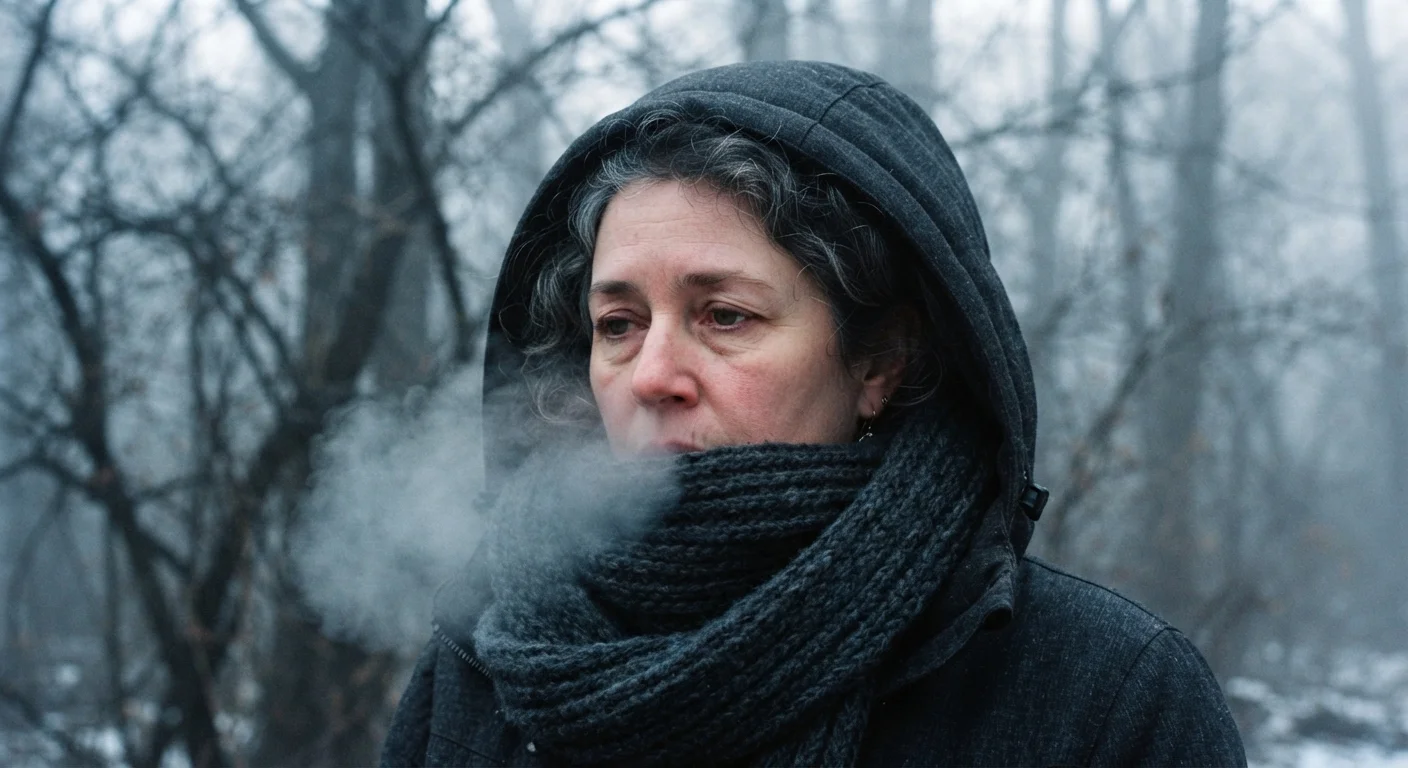
- Consider a lightweight scarf or face covering over the nose and mouth outdoors to warm and humidify inhaled air.
- Review your written asthma or COPD action plan with your provider so you know how to escalate treatment early if a respiratory infection takes hold.
Cold, dry air can narrow airways rapidly — a serious risk for anyone with chronic lung disease.
Spring: Pollen Season and Allergic Airway Inflammation
Tree pollens typically peak from March through May across much of the US, followed by grass pollens in late spring and early summer. In people with allergic asthma, pollen exposure can drive airway inflammation that builds over days — meaning symptoms may lag behind the apparent trigger by 24 to 48 hours.
Preparation steps:
- Monitor local pollen counts through resources such as the American Academy of Allergy, Asthma & Immunology's National Allergy Bureau.
- Keep windows closed on high-count days and use air conditioning with a clean filter.
- Systematic trigger tracking — logging symptoms alongside outdoor exposure — helps identify your personal threshold. Our article on tracking your asthma triggers provides a structured approach.
Pollen-driven airway inflammation can build over 24–48 hours, making early tracking essential.
Summer: Ozone, Heat, and Humidity
Ground-level ozone — formed when pollutants react with sunlight — peaks on hot, sunny summer afternoons in urban and suburban areas. Research consistently links high ozone days to increased emergency department visits for asthma. Extreme heat also stresses the respiratory system by increasing breathing rate and reducing air density, while high humidity can promote mold and dust mite growth indoors.
Preparation steps:
- Check Air Quality Index (AQI) readings through the US EPA's AirNow platform before outdoor activity.
- Limit strenuous outdoor exertion to early morning on high-ozone days.
- Control indoor humidity between 30% and 50% using dehumidifiers where needed to limit mold and dust mites.
High-ozone summer afternoons consistently correlate with increased asthma emergency visits.
Autumn: Mold Spores and the Start of Respiratory Virus Season
Decomposing leaves create an ideal environment for outdoor mold growth, and autumn also marks the onset of the annual respiratory syncytial virus (RSV) and early influenza season. For people whose condition straddles acute and chronic categories, understanding this distinction matters — see our explainer on acute versus chronic respiratory conditions for context.
Preparation steps:
- Rake and bag fallen leaves promptly, or delegate this task if mold is a known trigger.
- Schedule any annual vaccine updates in September or October before peak viral circulation begins.
- Restock your home supply of prescribed controller medications before the holiday rush depletes pharmacy inventory.
Autumn's mold surge and early virus season make it a critical preparation window.
Year-Round: Indoor Air Quality as a Constant Variable
While outdoor triggers dominate seasonal conversations, Americans spend an estimated 90% of their time indoors — where concentrations of certain pollutants can be two to five times higher than outside, according to the US EPA. Tobacco smoke, gas stove combustion byproducts, scented candles, and volatile organic compounds from cleaning products are perennial triggers that do not respect the calendar.
Preparation steps:
- Use exhaust ventilation when cooking, especially with gas appliances.
- Replace HVAC filters on a regular schedule appropriate to your system and environment.
- Choose fragrance-free cleaning and personal care products where possible, particularly during active flare periods.
Indoor pollutant levels can be two to five times higher than outdoors — a year-round concern.
Building Your Seasonal Readiness Plan
Reactive management — reaching for your rescue inhaler only after symptoms escalate — is far less effective than an anticipatory approach. Healthcare providers who specialize in pulmonary medicine typically recommend reviewing your action plan at least once before each high-risk season. Our guide on preparing for a respiratory specialist appointment outlines what to bring and what to ask.
Start Preparing at Least 4 Weeks Ahead
Seasonal preparation is most effective when started before symptoms emerge, not after. Aim to schedule a medication review, confirm vaccinations, and restock supplies at least four weeks before your historically difficult season. Keeping a simple symptom log through the prior season gives your provider concrete data to guide adjustments. Early action consistently outperforms reactive management.
Older adults face unique challenges during seasonal transitions because aging reduces both lung reserve and immune resilience. Caregivers and family members can explore these differences in our piece on managing respiratory conditions in older adults.
This article is for general informational purposes only and does not constitute medical advice. Always consult a qualified healthcare professional for guidance on managing your specific condition.
The content on this site is for informational purposes only and is not a substitute for professional advice. Always consult a qualified professional for guidance specific to your situation.