

What Is Systemic Lupus Erythematosus?
Systemic lupus erythematosus (SLE), commonly called lupus, is a chronic autoimmune disease in which the immune system loses its ability to distinguish between foreign invaders and the body's own healthy tissue. The result is widespread inflammation that can damage virtually any organ system.
Lupus is not a single disease but a spectrum of conditions. SLE is the most common and most severe form. Others include cutaneous lupus (primarily affecting the skin), drug-induced lupus, and neonatal lupus. This guide focuses on SLE.
1.5M+
Americans living with lupus
The Lupus Foundation of America estimates more than 1.5 million Americans, and at least 5 million people worldwide, have a form of lupus.
9:1
Female-to-male ratio in SLE
Lupus disproportionately affects women, particularly during their reproductive years, with a roughly 9-to-1 female-to-male prevalence ratio.
~50%
SLE patients developing lupus nephritis
Approximately half of all SLE patients develop lupus nephritis, a serious kidney complication requiring close monitoring and often aggressive treatment.
The underlying mechanism involves the overproduction of autoantibodies — particularly antinuclear antibodies (ANA) — that form immune complexes depositing in tissues and triggering inflammatory cascades. Genetic susceptibility, hormonal factors, UV light exposure, infections, and certain medications are all recognized triggers.
This article is for general informational purposes only and does not constitute medical advice. Always consult a qualified healthcare provider for diagnosis and treatment guidance.
Skin, Hair, and Mucous Membranes
Skin involvement occurs in up to 90% of people with lupus at some point during their illness. The most recognizable sign is the malar rash — a butterfly-shaped redness spanning the cheeks and bridge of the nose — but lupus presents with many other skin patterns.
- Discoid lupus lesions: Thick, scaly patches that can cause permanent scarring and pigmentation changes.
- Photosensitivity: Rashes triggered or worsened by UV light exposure, even through window glass.
- Oral ulcers: Painless sores on the roof of the mouth or inside the cheeks, listed among the ACR classification criteria.
- Hair loss (alopecia): Diffuse thinning or patchy loss, often corresponding with disease flares.
Protect Your Skin Every Day
Daily broad-spectrum sunscreen (SPF 50 or higher) and UV-protective clothing are recommended for most people with lupus, not just on sunny days. Even indoor fluorescent lighting can trigger photosensitivity reactions in some individuals. Discuss sun-protection strategies with your dermatologist or rheumatologist as part of your routine care.
Raynaud's phenomenon — in which fingers or toes turn white or blue in response to cold or stress — also occurs more frequently in people with lupus than in the general population.
Joints, Muscles, and Bones
Joint pain (arthralgia) and joint inflammation (arthritis) are among the most common complaints in lupus, affecting roughly 90% of patients. Unlike rheumatoid arthritis, lupus arthritis generally does not cause joint erosion on imaging, though it can be severely disabling during flares.
Muscles may also ache or weaken — a condition called myositis when inflammation is confirmed — contributing to the profound fatigue that many people with lupus describe as their most challenging symptom.
Keep a symptom and flare diary, noting potential triggers such as sun exposure, stress events, or missed sleep. Patterns you identify can be invaluable data for your rheumatologist when adjusting your treatment plan.
Lupus flares are often precipitated by identifiable factors; tracking them systematically helps clinicians make more targeted management decisions.
Request regular urine protein-to-creatinine ratio and blood pressure checks even when you feel well. Lupus nephritis can progress silently before symptoms appear.
Early detection of kidney involvement dramatically improves the likelihood of preserving long-term kidney function, according to established nephrology and rheumatology guidelines.
Long-term corticosteroid use, often necessary to control lupus activity, raises the risk of avascular necrosis (bone death due to reduced blood supply) and osteoporosis. Rheumatologists typically monitor bone density and may recommend calcium, vitamin D supplementation, or bone-protective medications — always under clinical supervision.
Heart, Lungs, and Kidneys
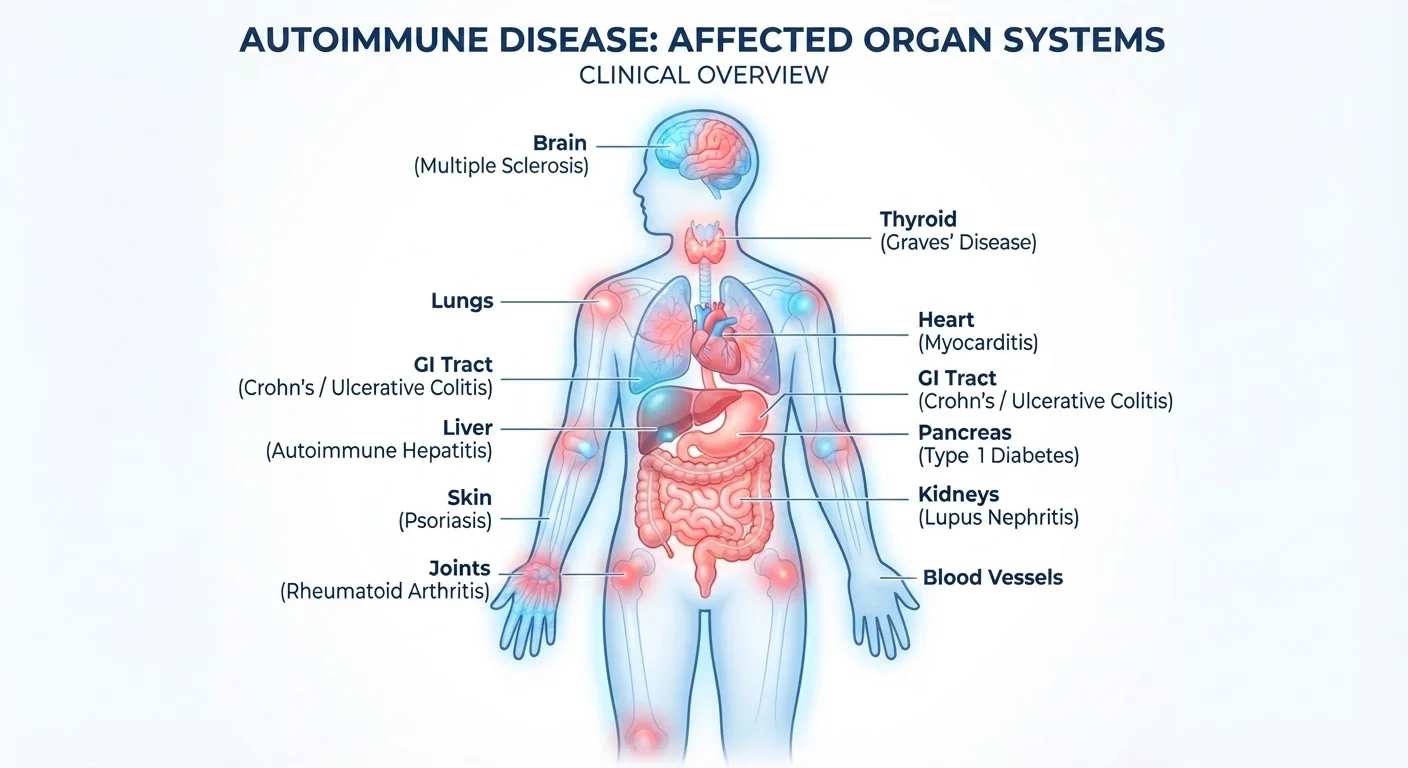
Internal organ involvement separates mild lupus from life-threatening disease. Three systems deserve particular attention:
Heart
Lupus accelerates cardiovascular disease through chronic inflammation and can cause pericarditis (inflammation of the sac surrounding the heart), valve abnormalities (Libman-Sacks endocarditis), and elevated risk of myocardial infarction.
Lungs
Pleuritis — inflammation of the lining around the lungs — produces sharp chest pain that worsens with breathing. More serious complications include lupus pneumonitis, pulmonary hypertension, and shrinking lung syndrome.
Kidneys
Lupus nephritis, inflammation of the kidneys driven by immune complex deposition, affects approximately 50% of SLE patients and is a leading cause of serious morbidity. It is often detected through urine protein and blood tests before symptoms appear, which is why routine monitoring is critical.
Lupus Nephritis Requires Urgent Attention
Lupus nephritis can progress to chronic kidney disease or kidney failure if not detected and treated promptly. Routine urine and blood testing — even when feeling well — is a non-negotiable part of lupus care. If you notice foamy urine, significant swelling in the legs, or unexplained high blood pressure, contact your healthcare provider without delay.
Brain, Nervous System, and Mental Health
Neuropsychiatric lupus (NPSLE) encompasses a wide range of manifestations affecting the central and peripheral nervous systems. These include:
- Cognitive dysfunction — often described as "brain fog" — affecting memory and concentration
- Headaches, including lupus-specific headaches distinct from common migraine patterns
- Seizures, occurring in a minority of patients
- Mood disorders, including depression and anxiety, which are significantly more prevalent in lupus than in the general population
- Psychosis in rare cases, either from disease activity or corticosteroid side effects
“Lupus is one of the great imitators in medicine. Its ability to mimic other conditions — and to affect so many organ systems simultaneously — demands a high index of suspicion and a multidisciplinary approach to care.”
— Dr. Bevra Hahn, Professor of Medicine and pioneering lupus researcher, University of California, Los Angeles
Distinguishing NPSLE from medication side effects, infection, or co-existing conditions requires careful clinical evaluation and, often, neuroimaging.
Blood, Immune System, and Beyond
Lupus frequently disrupts normal blood cell production and function:
- Anemia
- The most common hematologic finding, resulting from chronic inflammation, hemolysis, or kidney disease.
- Leukopenia
- A low white blood cell count that raises infection risk.
- Thrombocytopenia
- Low platelet counts that can increase bleeding risk.
Antiphospholipid syndrome (APS), which occurs alongside lupus in roughly 30–40% of patients, causes abnormal blood clotting and increases the risk of stroke, deep vein thrombosis, and pregnancy complications.
Antiphospholipid Syndrome Is a Serious Complication
Patients with lupus and coexisting antiphospholipid syndrome face a substantially elevated risk of blood clots, stroke, and pregnancy loss. This condition requires its own targeted management strategy separate from SLE treatment. If you have not been tested for antiphospholipid antibodies, ask your rheumatologist whether testing is appropriate for your situation.
The gastrointestinal tract, eyes (including lupus retinopathy), and liver (hepatitis, elevated enzymes) can also be affected, underscoring why lupus truly is a head-to-toe condition.
Managing Lupus: A Long-Term Perspective
There is currently no cure for lupus, but effective management can reduce flare frequency, prevent organ damage, and support a good quality of life. Treatment is highly individualized and typically involves a rheumatologist as the lead specialist, often working alongside nephrologists, cardiologists, dermatologists, and mental health professionals.
Common management strategies include:
- Antimalarials (e.g., hydroxychloroquine): Considered a cornerstone of SLE therapy for most patients due to their broad protective effects on flare frequency and organ damage.
- Corticosteroids: Used during flares to rapidly suppress inflammation, though long-term use carries significant side effects.
- Immunosuppressants and biologics: Used for moderate-to-severe disease or organ-threatening manifestations.
- Sun protection: Daily broad-spectrum sunscreen and protective clothing are recommended for virtually all lupus patients.
- Lifestyle factors: Adequate rest, stress management, and avoiding known triggers support overall wellbeing.
Lupus Looks Different in Every Person
No two people with lupus have identical disease patterns. Some individuals experience predominantly skin and joint symptoms, while others face serious internal organ involvement. This variability is one reason lupus can take years to diagnose and why treatment plans are highly personalized. Comparing your experience to others with lupus can be misleading; rely on your own clinical team for guidance.
People with lupus who are pregnant or planning pregnancy require specialized care, as the disease can affect both maternal and fetal outcomes. Always discuss family planning with your rheumatologist and an experienced obstetrician.
Lupus Foundation of America
A comprehensive patient-facing resource offering educational materials, research updates, and support programs for people living with lupus in the United States.
American College of Rheumatology — Lupus Resources
Clinically grounded patient education on lupus diagnosis, treatment guidelines, and what to expect from rheumatology care, produced by the leading professional body for rheumatologists.
Lupus Research Alliance
Tracks ongoing clinical trials and emerging therapies for lupus, offering patients a window into the latest scientific advances and opportunities to participate in research.
The content on this site is for informational purposes only and is not a substitute for professional advice. Always consult a qualified professional for guidance specific to your situation.